
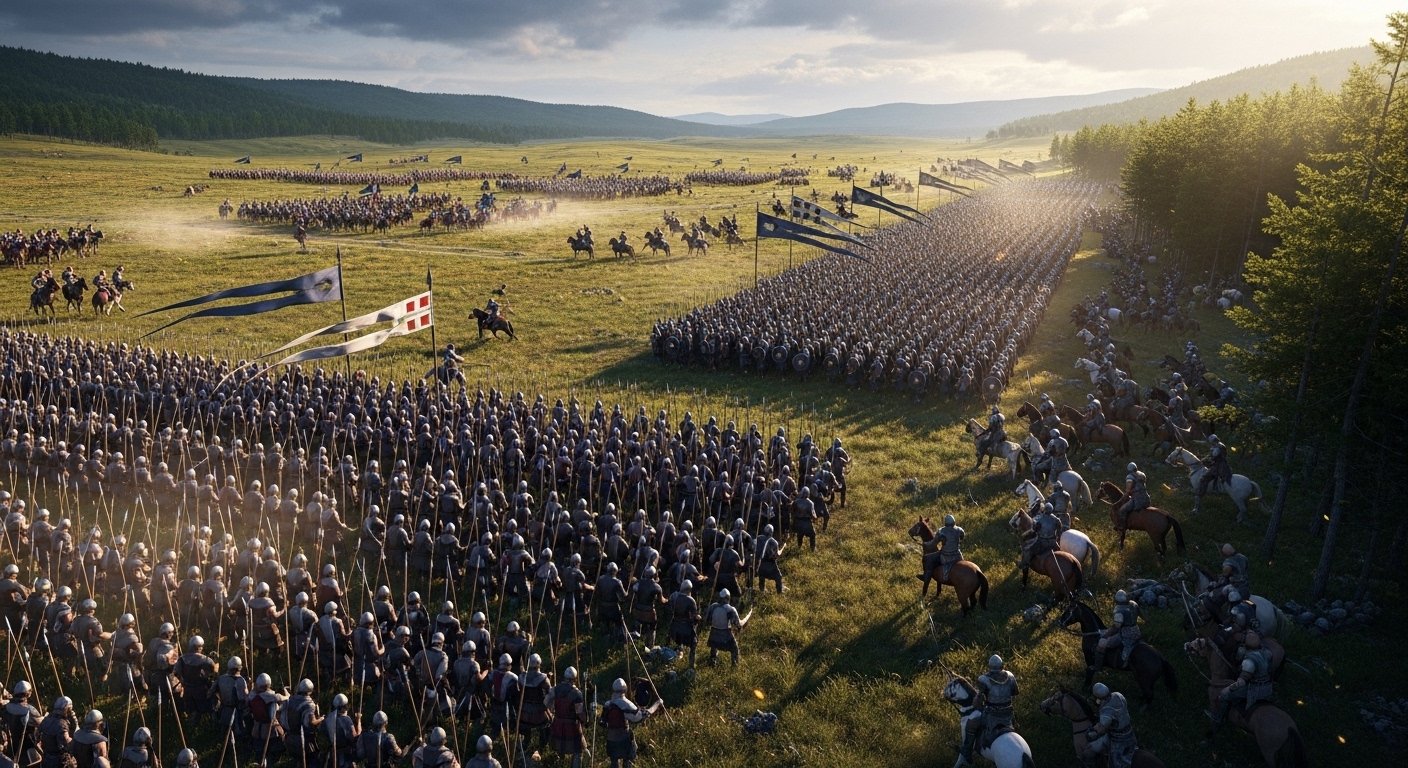
There’s a moment in every strategy game where the AI does something that genuinely surprises you. Maybe it flanked your army when you weren’t looking. Perhaps it exploited a gap in your defensive line that you didn’t even notice. That split second of “wait, how did it know to do that?” is exactly what game developers spend years trying to create.
I’ve spent more hours than I’d like to admit playing games like Total War, Civilization, and StarCraft. And after years of analyzing how virtual opponents behave, I’ve developed a genuine appreciation for the craft behind tactical AI systems. They’re far more sophisticated than most players realize and understanding how they work actually makes you a better player.
What Exactly Is Tactical AI?
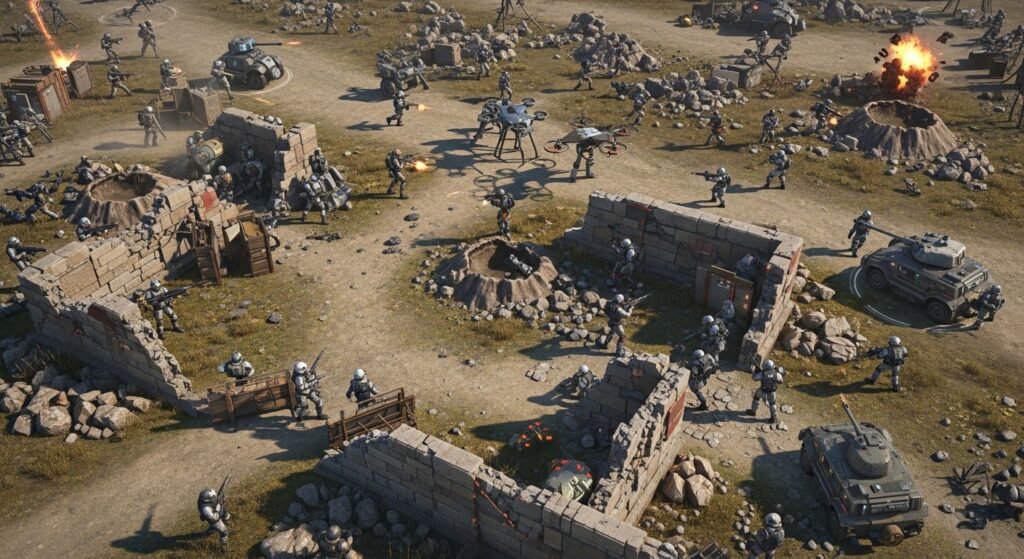
Tactical AI refers to the decision making systems that control non player forces in strategy games. Unlike strategic AI, which handles long term planning like economy management and tech trees, tactical AI deals with moment to moment battlefield decisions. Where should units move? When should they attack? Should they retreat or hold ground?
Think of it this way: strategic AI decides to build an army and march toward your capital. Tactical AI determines how that army actually fights once it arrives.
The distinction matters because these two layers often operate independently. A game might have brilliant strategic AI that builds effective armies but terrible tactical AI that throws those units away in poorly executed attacks. The opposite happens too some games feature clever combat AI paired with strategic systems that make baffling decisions.
How Tactical AI Actually Makes Decisions
Most tactical AI systems rely on a combination of approaches. The simplest is rule based logic: if enemy units are within range, attack the weakest one first. If health drops below a threshold, retreat. These rules create predictable but functional behavior.
More advanced systems use utility scoring. Every possible action gets assigned a numerical value based on multiple factors potential damage dealt, risk of losing units, strategic importance of objectives. The AI picks whatever action scores highest at any given moment.
The Total War series offers a great example of this in practice. Watch an AI controlled army carefully during a battle. It constantly evaluates unit positions, morale states, and terrain advantages. Cavalry looks for exposed flanks. Archers seek elevated positions. Infantry holds the line while looking for opportunities to push. None of this happens randomly it’s all calculated through weighted decision trees.
Real Examples From Popular Games
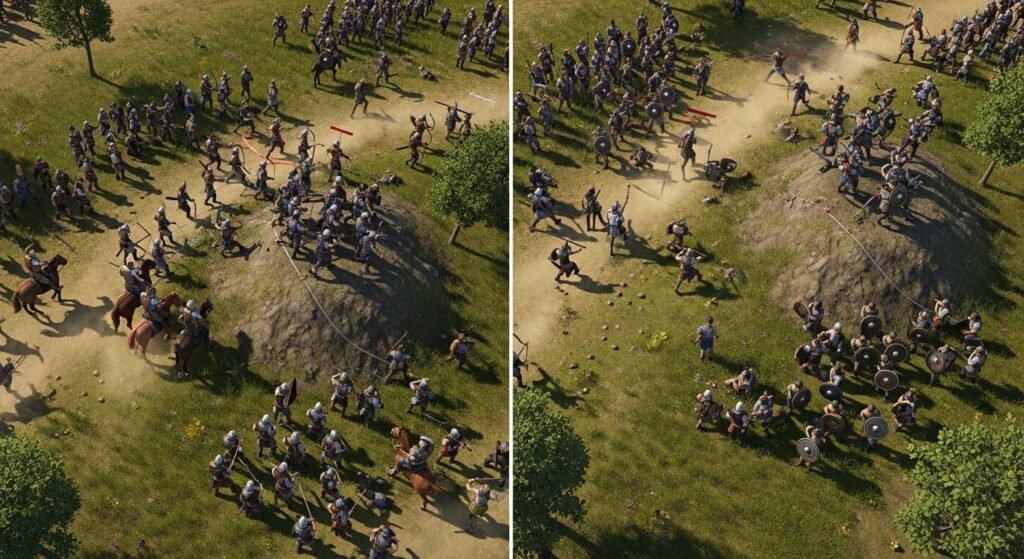
StarCraft’s AI has evolved dramatically over the years. Early versions were notorious for following predictable build orders that experienced players could counter easily. Modern iterations use dynamic responses, adjusting strategies based on scouting information and player behavior. The AI actually watches what you build and changes its approach accordingly.
Civilization VI takes a different approach. Its tactical combat AI must consider not just immediate battles but how unit losses affect long term military strength. An AI civilization won’t sacrifice units carelessly because doing so could leave it vulnerable to other opponents. This creates more realistic behavior where the AI sometimes avoids fights it might technically win because the cost isn’t worth it.
XCOM represents perhaps the most challenging tactical AI design problem. The game features procedurally generated maps with destructible environments and complex cover mechanics. The AI needs to understand sight lines, flanking angles, and ability synergies while facing permadeath consequences. Firaxis spent years refining systems that feel challenging without appearing cheap or omniscient.
The Difficulty Balancing Act
Here’s something most players don’t realize: making AI harder isn’t primarily about making it smarter. It’s about finding the right constraints.
Truly optimized AI would be nearly unbeatable in most strategy games. Computer systems can calculate thousands of possibilities per second, track every unit perfectly, and never make mistakes from fatigue or distraction. That’s not fun to play against.
Good tactical AI design involves intentional handicaps. Developers introduce decision delays, limit how much information the AI can “see,” and add randomness to prevent robotic perfection. The goal is creating an opponent that feels competent and challenging while remaining beatable through skill.
Higher difficulty settings typically adjust these constraints rather than fundamentally changing AI behavior. The AI might react faster, make fewer intentional mistakes, or receive economic bonuses. Some games do unlock additional tactics at higher difficulties, but this approach requires significantly more development resources.
Modern Advances and Machine Learning
Recent years have seen experimental applications of machine learning in tactical AI. Google’s AlphaStar project demonstrated AI capable of defeating professional StarCraft II players through self play training. However, these systems require enormous computational resources that aren’t practical for consumer games.
Most commercial releases still rely on traditional approaches improved decision trees, better pathfinding algorithms, and more sophisticated utility calculations. The fundamental architecture hasn’t changed dramatically, but execution continues improving.
What has changed is player expectation. Modern gamers are more sophisticated about AI behavior and notice patterns quickly. This pushes developers toward more varied, unpredictable systems that don’t fall into obvious exploitable routines.
Why Understanding Tactical AI Makes You Better
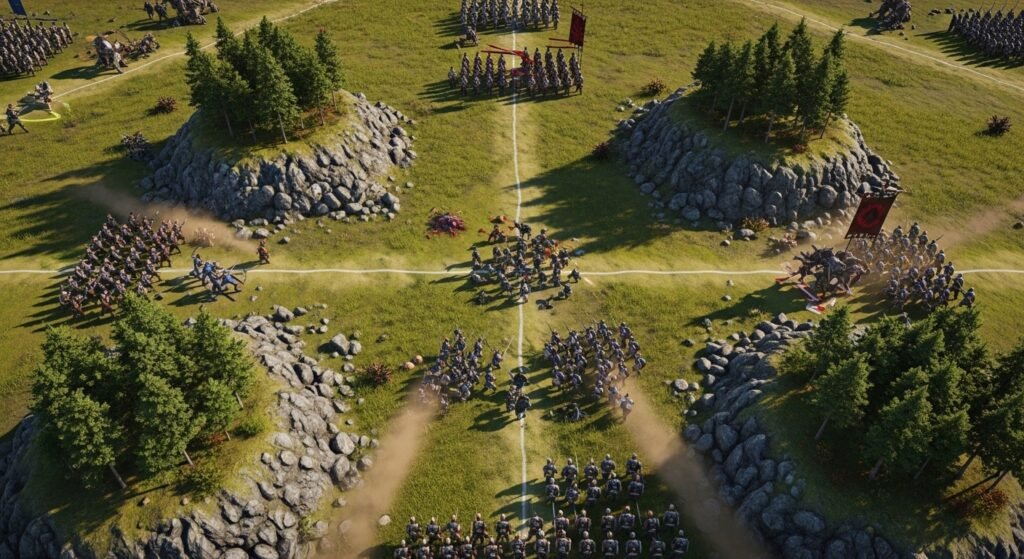
Once you recognize how tactical AI prioritizes targets and positions units, you can exploit those patterns. Most systems target low health units, so keeping damaged troops visible while protecting them with stronger units creates attractive traps. Many AI opponents struggle with multi front attacks because decision systems handle single point analysis better than distributed threats.
Understanding tactical AI isn’t cheating it’s the same pattern recognition you’d use against human opponents. The difference is that AI patterns tend to be more consistent once you identify them.
FAQs
Does tactical AI cheat by seeing through fog of war?
Most modern games prevent AI from accessing hidden information, though some older titles gave AI complete map visibility. Check specific game documentation for details.
Why does AI sometimes make obviously bad decisions?
Intentional randomness and constraints prevent AI from playing perfectly, keeping games enjoyable for human players.
Can tactical AI learn from player behavior during a single match?
Some games implement adaptive systems that track player tendencies within matches, though deep learning between sessions remains rare in commercial releases.
What’s the difference between tactical and strategic AI?
Tactical AI handles battlefield decisions and combat. Strategic AI manages long-term planning like economy, research, and overall campaign objectives.
Why is tactical AI harder in some games than others?
Development resources, game complexity, and design priorities all affect AI quality. Turn based games generally feature stronger tactical AI than real time titles due to computational advantages.