
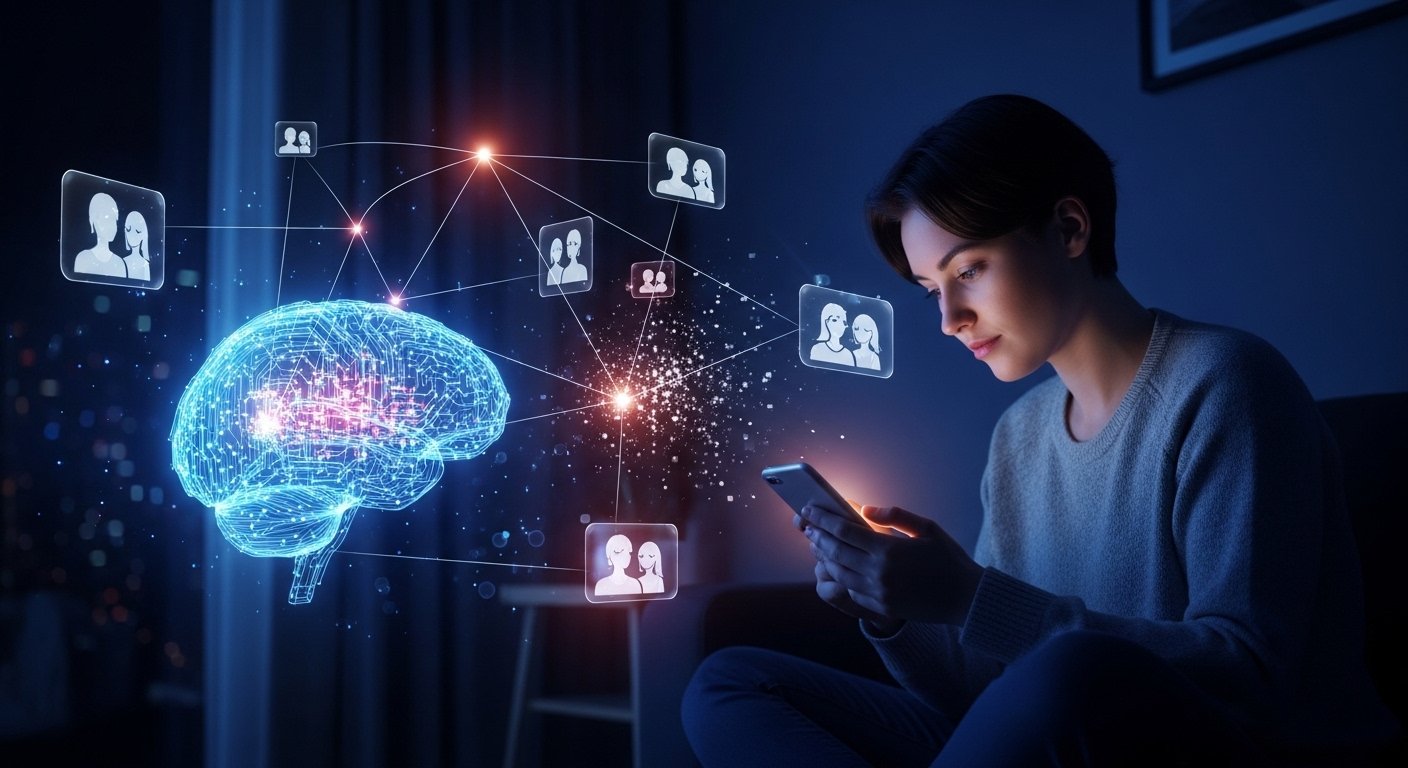
There’s something oddly poetic about swiping through dating profiles while algorithms silently work behind the scenes, calculating compatibility scores and predicting who might become your next great love. Having spent nearly a decade researching digital dating trends and interviewing countless couples who met online, I’ve watched these systems evolve from basic questionnaires to sophisticated artificial intelligence engines that claim to understand human chemistry better than we understand ourselves.
But here’s the honest truth: AI matchmaking algorithms are simultaneously more impressive and more flawed than most people realize.
The Science Behind Digital Cupid
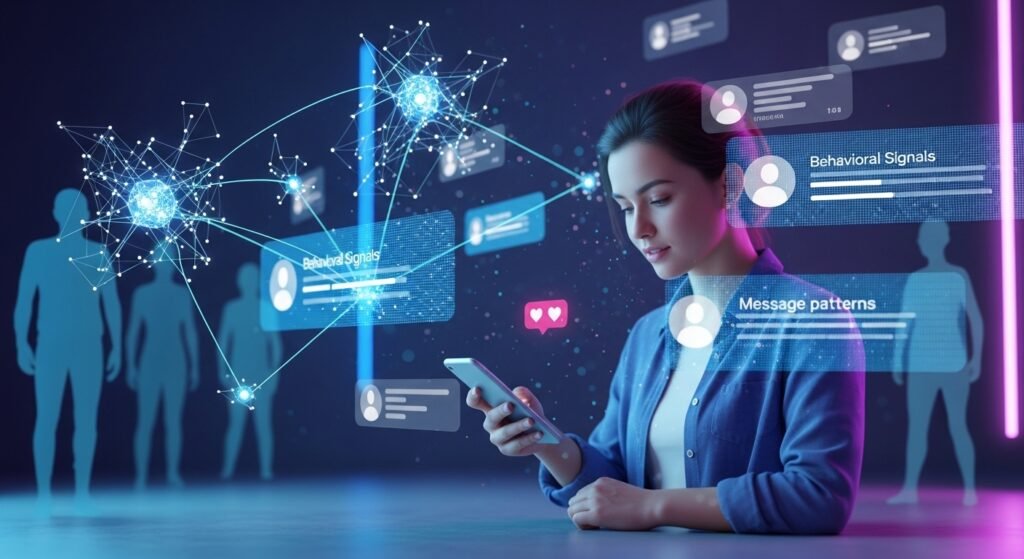
At their core, AI matchmaking algorithms analyze massive datasets to identify patterns in human attraction and relationship success. Unlike the primitive systems of early dating websites that matched users based on simple criteria like location and age, modern algorithms process hundreds of behavioral signals.
Every action you take becomes data. The profiles you linger on, messages you send, people you ignore, times you’re most active all of it feeds into machine learning models that continuously refine their understanding of your preferences. Some platforms track scrolling speed, assuming slower scrolling indicates higher interest. Others analyze messaging patterns to predict relationship potential.
The technical backbone typically involves collaborative filtering, similar to how Netflix recommends shows. If users with profiles resembling yours consistently match successfully with certain types of people, the algorithm assumes you might too. Natural language processing examines bio text and conversation quality, while computer vision sometimes analyzes photos for facial feature compatibility though that last application raises serious ethical questions we’ll address later.
From Questionnaires to Predictive Intelligence
Remember when eHarmony’s 29 dimensions of compatibility felt revolutionary? Those early systems asked users to self report their traits and preferences, then matched people with similar answers. The fundamental problem was obvious: humans are terrible at knowing what they actually want.
Research consistently shows that stated preferences poorly predict attraction. Someone might claim they want an ambitious partner but repeatedly fall for laid-back artists. Early algorithms couldn’t bridge this gap between declared desires and actual behavior.
Modern AI matchmaking addresses this through behavioral analysis rather than self-reporting. Platforms like Hinge and Bumble now watch what you do, not just what you say. Their algorithms noticed something fascinating during my research interviews with dating app engineers users often ignore their own stated preferences when presented with compelling profiles that contradict their criteria.
This behavioral approach has measurably improved match quality. Hinge publicly reported that matches made through their algorithm generated “Most Compatible” suggestions are eight times more likely to result in dates compared to random browsing.
Real Success Stories and Hidden Failures

I’ve interviewed dozens of couples who credit these algorithms with finding their partners. Sarah and Marcus, married now for three years, told me Bumble kept suggesting each other despite neither fitting the other’s stated “type.” She wanted someone over six feet; he’s five-nine. He preferred brunettes; she’s blonde. Yet the algorithm detected behavioral compatibility neither consciously recognized.
But for every success story, there are patterns of failure that rarely make headlines. Studies from Columbia Business School revealed that algorithmic matching often reinforces existing biases. Users from certain demographics receive fewer matches regardless of their actual compatibility with the broader user base. The data reflects human prejudice, and algorithms amplify it.
Several platform insiders admitted to me, off the record, that engagement metrics sometimes conflict with successful matching. An app that pairs everyone with their soulmate immediately loses users. This creates uncomfortable incentive structures that some companies navigate better than others.
The Transparency Problem
Here’s something that genuinely concerns me about this industry: nobody outside these companies truly knows how their algorithms work. Unlike pharmaceutical drugs requiring regulatory approval, dating algorithms face no external oversight. Users trust these systems with intimate decisions while remaining completely in the dark about what drives recommendations.
Some platforms have made modest transparency efforts. OkCupid famously published research on their matching experiments, revealing both successes and uncomfortable truths about user behavior. But comprehensive algorithmic auditing remains nonexistent.
This matters because these systems influence millions of relationship decisions. When Facebook Dating launched, it immediately had access to behavioral data most competitors couldn’t dream of. That kind of information asymmetry creates power dynamics worth discussing publicly.
Ethical Considerations Worth Taking Seriously
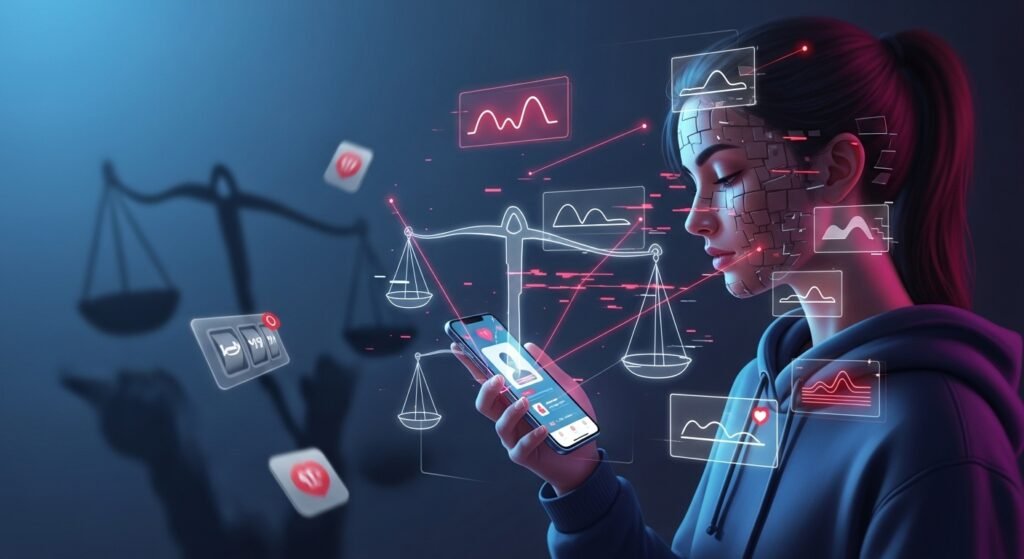
Beyond transparency, AI matchmaking raises genuine ethical concerns. Facial recognition technology in dating apps has been documented to favor certain ethnic features over others, reflecting biased training data. Economic status signals detected through photo backgrounds, writing style, and device usage may inadvertently create class-based sorting.
There’s also the manipulation question. These systems are designed by behavioral scientists who understand psychological vulnerabilities intimately. Variable reward schedules the same mechanism making slot machines addictive often drive notification timing and match reveals. When does optimization become exploitation?
The most thoughtful platforms are beginning to address these issues, implementing bias testing and limiting addictive design elements. But industry wide standards remain absent.
Looking Forward
The next generation of matchmaking technology will likely incorporate conversational AI analysis, predicting relationship success based on communication patterns during early exchanges. Some startups are experimenting with voice analysis, claiming to detect personality compatibility through speaking patterns.
Whether these advances improve outcomes or simply create new problems remains uncertain. What’s clear is that AI will continue reshaping how humans find partners, for better and worse.
My advice after years in this space? Use these tools as suggestions rather than oracles. The algorithms can expand your possibilities, but genuine connection still requires human intuition that no model fully captures. Trust the technology to introduce you to people you might otherwise never meet then trust yourself to recognize something real when it appears.
Frequently Asked Questions
How accurate are AI matchmaking algorithms?
Accuracy varies significantly between platforms, but leading apps report 15-25% higher conversation rates from algorithmic matches compared to random selection. However, predicting long term compatibility remains challenging.
Do dating algorithms actually work?
They work for expanding possibilities and improving initial match quality, but no algorithm reliably predicts lasting relationship success. They’re best viewed as sophisticated introduction services.
Can AI matchmaking algorithms be biased?
Yes, algorithms trained on historical user data often reflect and amplify existing societal biases related to race, body type, and socioeconomic status.
Why do different dating apps show different matches?
Each platform uses proprietary algorithms weighing different factors. Varying user bases also dramatically affect who appears in your recommendations.
Should I trust algorithm recommended matches over my own choices?
Consider algorithmic suggestions as additional options rather than superior ones. They may reveal compatible people you’d overlook, but your instincts remain valuable.