
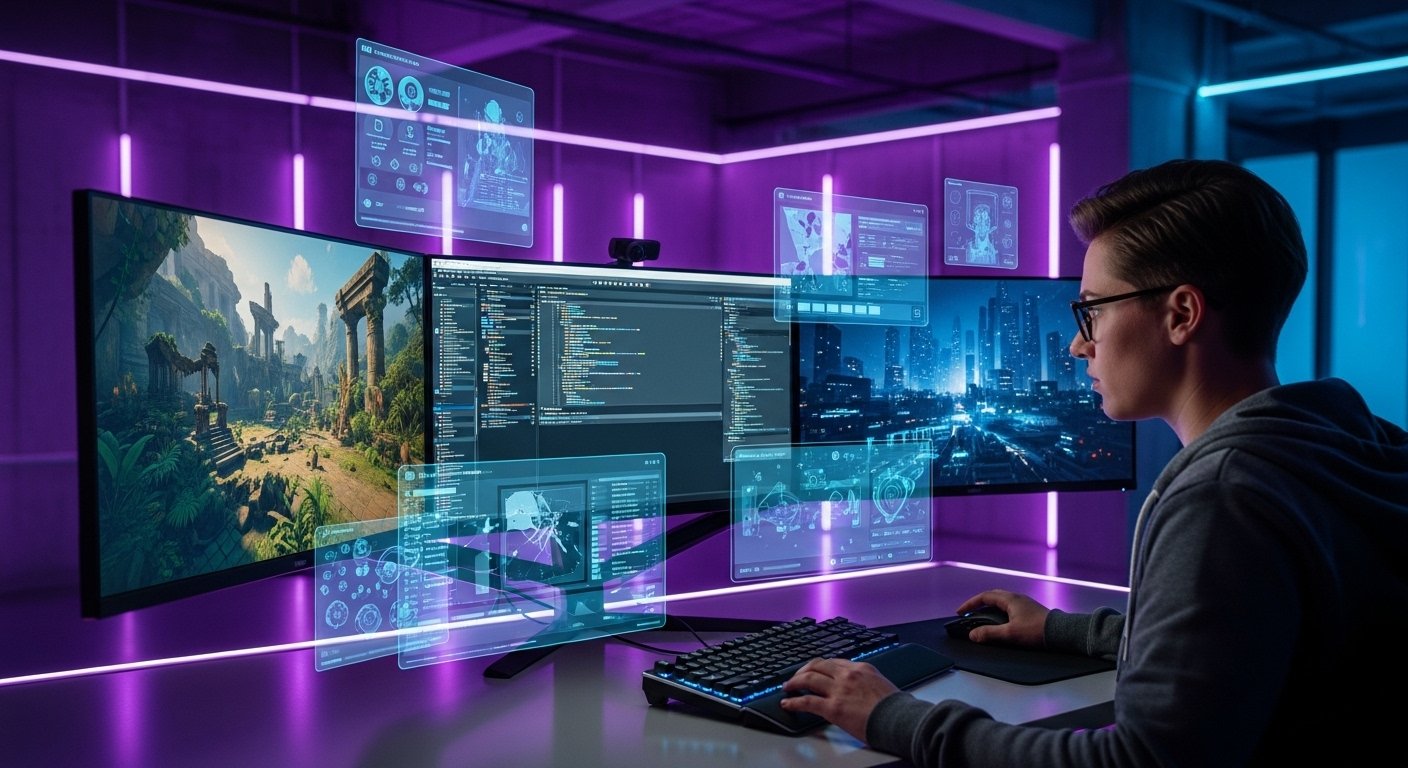
When I first started working in game development back in 2026, the idea of using artificial intelligence as a creative partner felt like science fiction. Fast forward to today, and I spend roughly 30% of my design workflow collaborating with intelligent systems that would have seemed impossible a decade ago. The transformation hasn’t been overnight, but it’s been profound.
The Reality of Modern Game Design Workflows
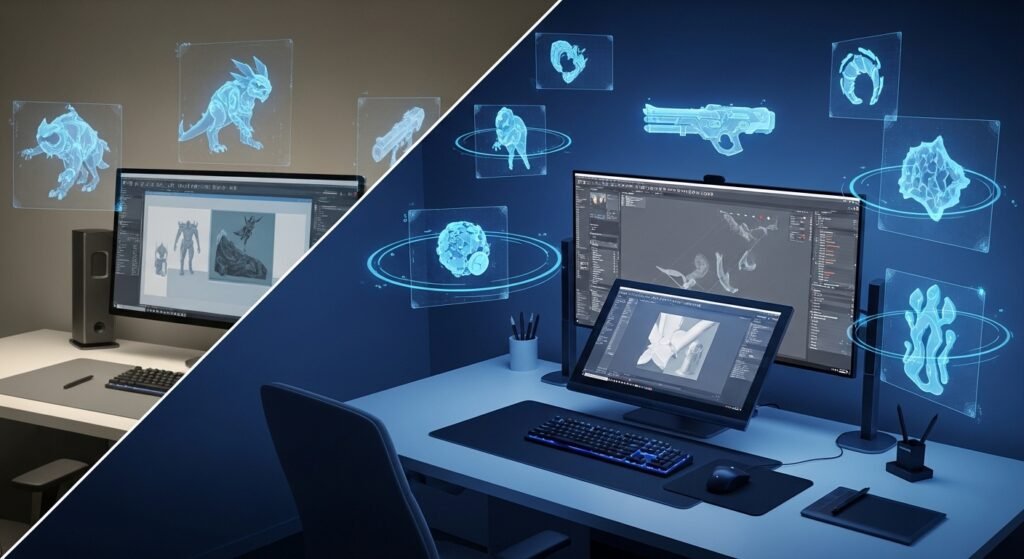
Here’s what most people outside the industry don’t realize: game design has always been brutally time consuming. Creating a single open-world environment used to require months of manual asset placement, terrain sculpting, and repetitive testing. Now? That timeline has compressed dramatically.
I remember working on an indie project last year where our small team needed to populate a medieval village with unique NPCs. Traditionally, this would mean writing dozens of individual character backgrounds, designing dialogue trees, and crafting behavior patterns for each resident. Instead, we used procedural generation tools enhanced with machine learning to create base personalities, then refined them manually. What would have taken three weeks took about four days.
That’s the sweet spot most studios are finding not replacing human creativity, but amplifying it.
Where AI Actually Shines in Game Development
Procedural Content Generation
The most mature application of intelligent systems in games is procedural generation. Titles like No Man’s Sky pioneered this approach, but newer implementations are far more sophisticated. Modern algorithms can generate not just landscapes, but coherent ecosystems where flora and fauna interact logically.
I’ve experimented with several procedural tools for level design, and the results genuinely surprise me sometimes. You’ll input parameters maybe you want a forest environment with hidden paths and vertical exploration options and the system generates layouts that feel intentionally crafted. Of course, they still need human polish. The rough edges are obvious to experienced designers, but the foundation saves incredible amounts of time.
NPC Behavior and Dynamic Storytelling
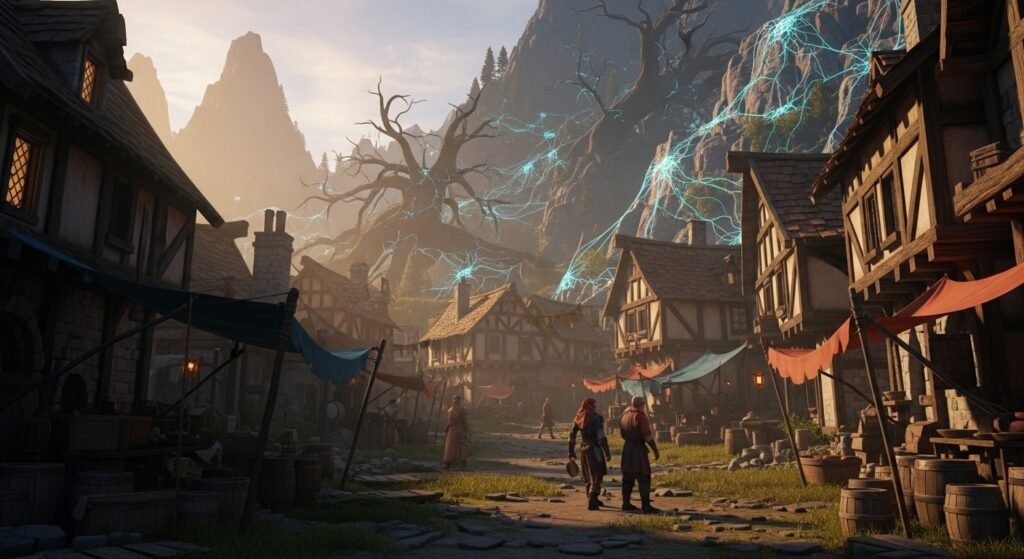
This area excites me most. Traditional NPC behavior relies on decision trees essentially flowcharts that determine responses based on player actions. They work, but they feel mechanical after repeated interactions.
Newer approaches use learning algorithms that allow characters to develop more organic responses. Middle earth: Shadow of Mordor’s Nemesis System was an early example, creating enemies who remembered your encounters and evolved based on them. Current experiments go further, generating dialogue that responds contextually to player history within a game.
A colleague working at a mid sized studio described their recent project where NPCs could reference events from hours earlier in gameplay, creating conversations that felt genuinely reactive. The system occasionally produced odd responses, but players found even the quirks charming it felt more human than scripted perfection.
Quality Assurance and Playtesting
Here’s something that doesn’t make headlines but saves studios millions: automated playtesting. Games are complex systems with countless variables. Finding bugs, balance issues, and exploits through human testing alone is expensive and incomplete.
Machine learning systems can now run thousands of simulated playthroughs, identifying problems human testers might miss. They can spot that one specific weapon combination that breaks difficulty curves or find collision errors in rarely-visited map corners. It’s not glamorous work, but it’s transformed how teams approach polish phases.
The Human Element Remains Essential
I want to be honest about limitations because there’s considerable hype around these technologies.
Intelligent systems excel at pattern recognition and iteration on existing concepts. They struggle with genuine innovation. When you need something truly novel a game mechanic nobody has attempted, a narrative structure that subverts expectations that still requires human imagination.
I’ve seen plenty of procedurally generated content that felt technically competent but emotionally hollow. The algorithm understood composition rules but not why certain arrangements resonate with players. That intuitive understanding of human psychology, of what creates memorable experiences, remains firmly in our domain.
There’s also the question of creative ownership. When a system generates assets or designs, who deserves credit? Studios are navigating these questions differently, and frankly, the industry hasn’t reached consensus. Ethical frameworks are still developing.
What This Means for Aspiring Game Designers
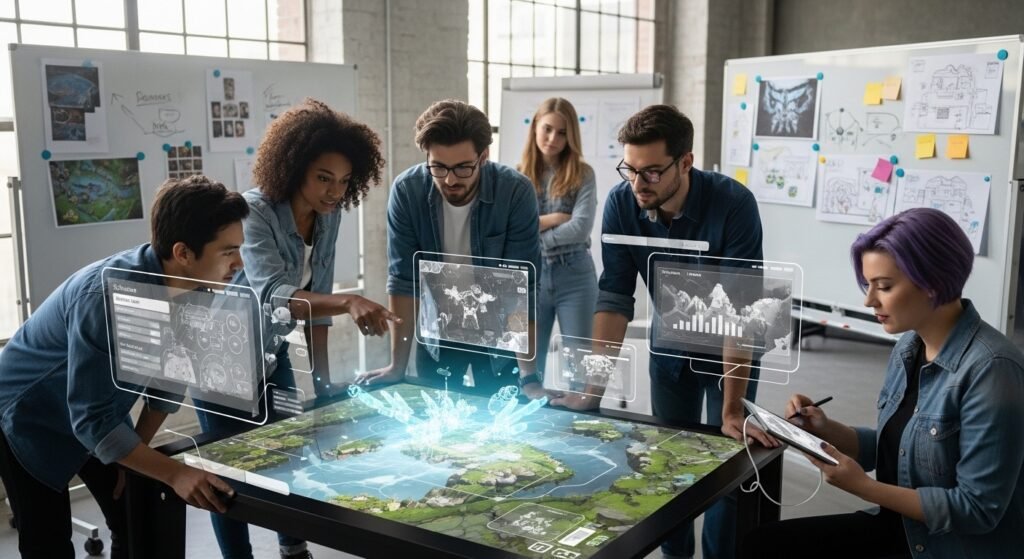
If you’re entering the field, don’t panic about being replaced. Instead, focus on becoming someone who works effectively with these tools. The designers thriving right now understand both creative fundamentals and how to leverage intelligent systems strategically.
Learn traditional design principles pacing, player psychology, narrative structure, game feel. These foundations matter regardless of what tools you’re using. Then develop familiarity with procedural tools, machine learning basics, and data driven design approaches.
The most valuable professionals I know aren’t those who can do everything manually or those who rely entirely on automated solutions. They’re the ones who recognize when each approach is appropriate.
Looking Ahead
The trajectory seems clear. Intelligent systems will handle increasingly sophisticated tasks while human designers focus on vision, direction, and emotional resonance. We’ll see smaller teams creating more ambitious projects because technology amplifies their capabilities.
But games fundamentally exist as human experiences. They reflect our fears, fantasies, and social connections. No matter how sophisticated our tools become, understanding what makes experiences meaningful that remains uniquely ours.
I’m genuinely optimistic about where this leads. Not because technology will solve everything, but because it might free designers to focus on what actually matters: creating moments that stick with players long after they put the controller down.
Frequently Asked Questions
Will AI replace human game designers?
Not likely. These tools assist with repetitive tasks and generate options, but creative direction, emotional storytelling, and innovative mechanics require human judgment and imagination.
What skills should game designers learn to stay relevant?
Focus on core design principles, player psychology, and familiarity with procedural generation tools. Understanding data analysis also helps when evaluating system-generated content.
Are there ethical concerns with AI in game development?
Yes. Questions around creative ownership, potential job displacement for certain roles, and data usage for training systems remain ongoing discussions in the industry.
Which games currently use AI assisted design effectively?
No Man’s Sky, the Middle earth series, and various racing games use procedural and adaptive systems. Many studios use internal tools for testing and content generation that players never see directly.
Can indie developers benefit from these technologies?
Absolutely. Accessible procedural tools allow small teams to create content that previously required large studios. However, learning curves exist, and results still need human refinement.