

I’ve spent years watching how games evolve, and one of the most fascinating shifts I’ve witnessed is the rise of behavioral analytics powered by artificial intelligence. Gone are the days when every player experienced the exact same difficulty curve or when developers had to guess what kept players engaged. Today’s games are watching, learning, and adapting to us in ways that would have seemed like science fiction two decades ago.
Let me walk you through what’s actually happening behind the scenes when you fire up your favorite game.
What Behavioral Analytics Really Means in Gaming

At its core, behavioral analytics in gaming AI is about collecting data on how players interact with a game, then using intelligent systems to make sense of that data. We’re talking about tracking everything from which paths you take through a level, how long you spend in menus, where you die repeatedly, to even the weapons you favor or the characters you ignore.
But here’s the thing it’s not just about collecting information. The real magic happens when machine learning algorithms identify patterns in that behavior and use those insights to make decisions. Maybe the game realizes you’re struggling with a particular boss and subtly adjusts the difficulty. Or perhaps it notices you love exploration and starts surfacing more side quests that match your playstyle.
I remember playing a popular action RPG a couple years back, and I could swear the game was reading my mind. Every time I started getting frustrated with combat encounters, things would ease up just enough to keep me hooked. That wasn’t coincidence that was behavioral analytics at work.
The Mechanics Behind the Curtain
The system typically works in layers. First, there’s the data collection layer where the game tracks player actions. This happens constantly, often logging hundreds of data points per gaming session. Then comes the analysis phase, where algorithms look for meaningful patterns.
For instance, if data shows that 68% of players abandon a game at a specific level, that’s a red flag. But behavioral analytics goes deeper. It might reveal that players who spend more than three minutes in the equipment menu before that level are 40% more likely to continue playing. That’s actionable intelligence.
Game studios I’ve followed closely, like those behind live service games such as Fortnite or Destiny 2, use these insights to tune everything from loot drop rates to event timing. They’re not flying blind anymore. They can see which seasonal events drive engagement, which cosmetic items players actually care about, and even predict when someone might be about to quit the game entirely.
Real World Applications That Changed Gaming
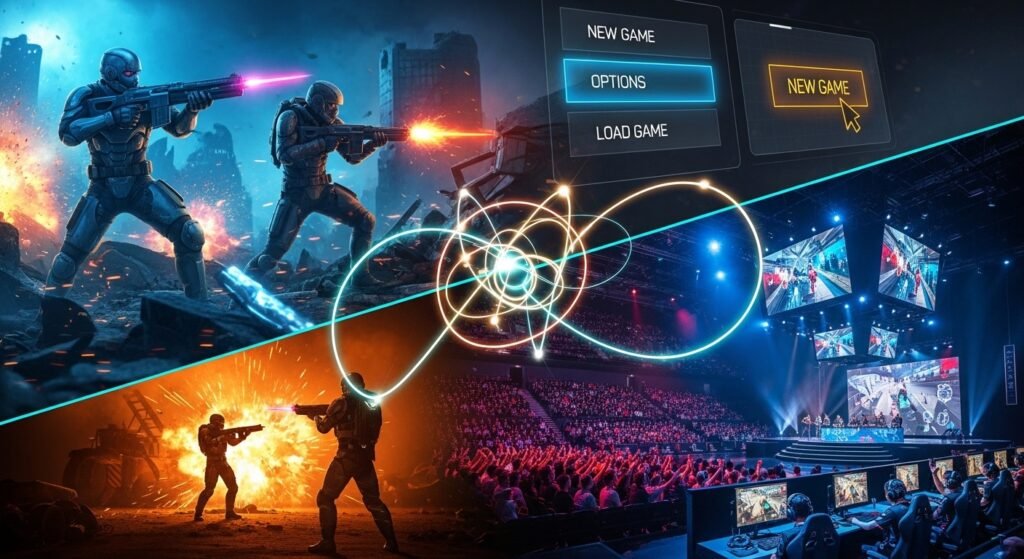
Dynamic difficulty adjustment is probably the most obvious application. Games like Resident Evil 4 pioneered this years ago, though the systems have become far more sophisticated. If you’re breezing through encounters, the game might spawn tougher enemies or reduce ammo drops. Struggling? You might suddenly find more health packs lying around.
Personalized content recommendation is another big one. Think about how a game like FIFA or NBA 2K suggests game modes or challenges based on your playing history. If you constantly play career mode but never touch online multiplayer, the game learns to highlight single-player content for you.
Churn prediction has become huge in free tom play gaming. By analyzing behavior patterns like decreased session length, less frequent logins, or reduced in game purchases systems can flag players who might be about to leave. The game might then trigger targeted retention mechanics: a special reward, a personalized offer, or an easier difficulty spike.
I’ve also seen fascinating applications in competitive gaming. Anti cheat systems now use behavioral analytics to identify suspicious patterns that traditional methods might miss. A player with superhuman reaction times or movement patterns that don’t match typical human behavior gets flagged for review.
The Benefits Are Undeniable
From a developer perspective, this technology is transformative. You get near instant feedback on what’s working and what’s not. That tutorial section you spent months crafting? Analytics might show that 45% of players skip it entirely, suggesting you need a different approach.
Player retention improves when games feel tailor made for each person. We all have limited gaming time these days, and if a game respects that by adapting to my skill level and preferences, I’m more likely to stick around.
Monetization becomes smarter too, though this is where things get ethically murky. Games can identify “whale” players likely to spend money and target them with specific offers. When done responsibly, this means showing people content they actually want. When done poorly… well, we’ll get to that.
The Ethical Elephant in the Room

I’d be doing you a disservice if I didn’t address the concerns here. Behavioral analytics in gaming can easily cross lines.
There’s the manipulation factor. If a game knows exactly which psychological buttons to push to keep you playing (or spending), is that fair? Some mobile games have been criticized for using these techniques to exploit vulnerable players, particularly those prone to addictive behaviors.
Privacy is another consideration. Many players don’t realize how much data their games collect. While most studios claim data is anonymized and used in aggregate, the sheer volume of behavioral information being gathered is worth thinking about.
I’ve also seen cases where analytics driven design leads to games that feel soulless optimized for engagement metrics rather than genuine creativity or fun. There’s a balance between using data to improve player experience and letting algorithms dictate every design decision.
Where We’re Heading
The technology is only getting more sophisticated. I’m seeing experiments with AI that can generate personalized narrative branches based on player choices, or procedural content systems that create levels specifically tuned to your skill level and preferences.
Cloud gaming platforms are particularly interesting because they have even richer datasets spanning multiple games. Imagine a system that knows you love stealth gameplay across every title you’ve played and can recommend new games or adjust experiences accordingly.
Virtual reality and augmented reality gaming will take this further. With biometric data potentially in the mix heart rate, eye tracking, even stress levels games could respond to not just what you do, but how you feel while doing it.
Final Thoughts
Behavioral analytics in gaming AI represents a fundamental shift in how games are designed and experienced. At its best, it creates more engaging, personalized experiences that respect our time and preferences. At its worst, it can feel manipulative and invasive.
As players, we should stay informed about how our data is being used. As an industry, gaming needs to establish clearer ethical guidelines around these practices. The technology isn’t going away and honestly, I wouldn’t want it to. But we need to make sure it serves players, not just profit margins.
The games that get this balance right will be the ones we remember and recommend. The ones that get it wrong will be case studies in what not to do.
Frequently Asked Questions
What data do games collect for behavioral analytics?
Games typically track player actions like movement patterns, decision points, session duration, purchase behavior, social interactions, difficulty choices, and progression speed. Most data is anonymized and aggregated.
Can I opt out of behavioral tracking in games?
This varies by game and platform. Some games offer limited opt out options in privacy settings, though this may affect features like cloud saves or personalized recommendations. Always check the game’s privacy policy.
Does behavioral analytics make games easier?
Not necessarily. It aims to optimize challenge for your skill level. Some players experience increased difficulty if analytics show they’re finding the game too easy.
Is behavioral analytics only used in online games?
While more common in online and live service games, many single player games also use these systems. The data might be collected and analyzed when you’re connected to the internet, even in primarily offline experiences.
Are there regulations around gaming analytics?
General data protection laws like GDPR in Europe apply to gaming data. However, specific regulations for gaming behavioral analytics are still evolving, and practices vary significantly by region and company.