
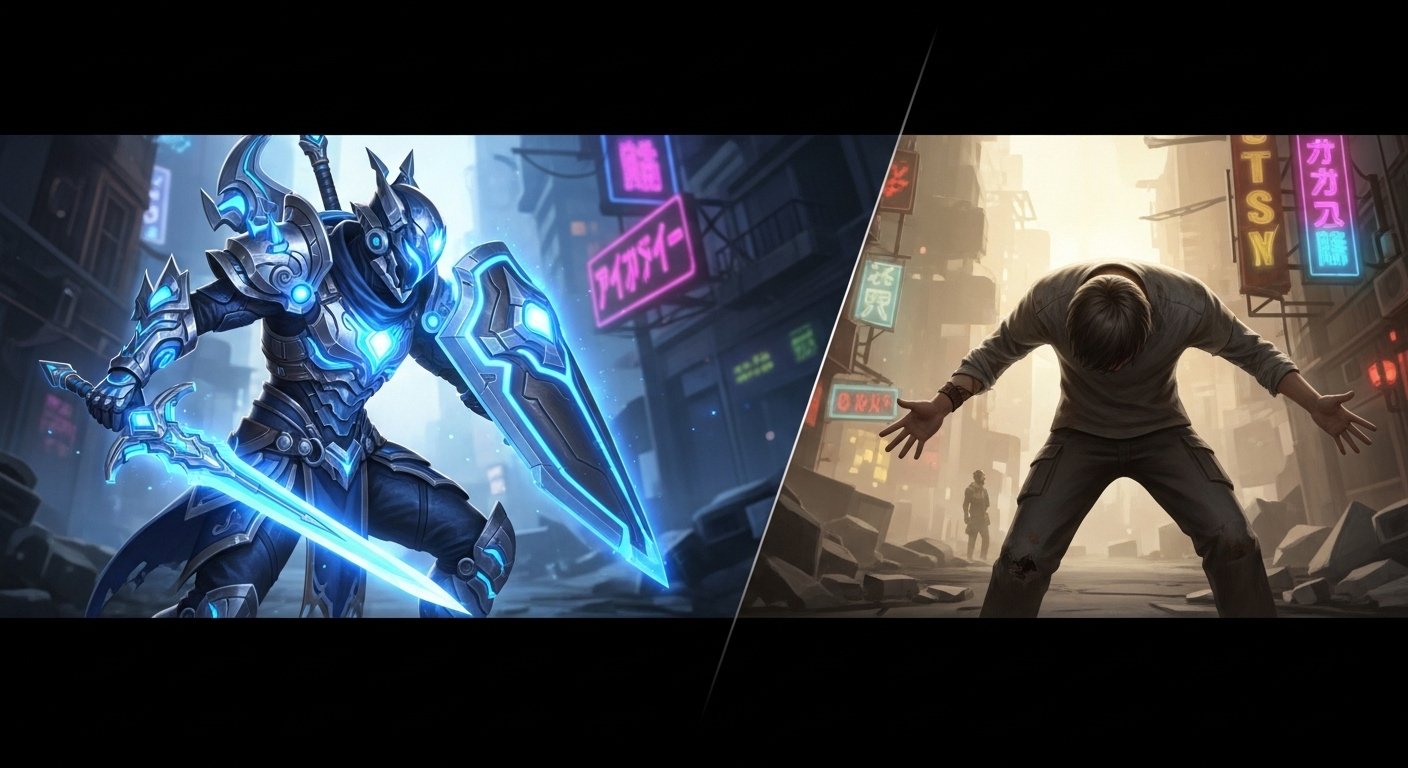
I’ve spent the better part of a decade watching the gaming industry wrestle with one of its most controversial practices: pay to win mechanics. You know the ones where players can essentially buy their way to victory by purchasing powerful weapons, characters, or upgrades with real money. It’s been a contentious issue that’s divided communities, sparked heated Reddit threads, and even driven players away from games they once loved.
But here’s something interesting I’ve noticed over the past couple of years: artificial intelligence is starting to change the conversation entirely. Developers are now using sophisticated AI systems to detect, prevent, and balance the pay to win problem in ways that seemed impossible just a few years ago.
The Pay to Win Problem Nobody Solved
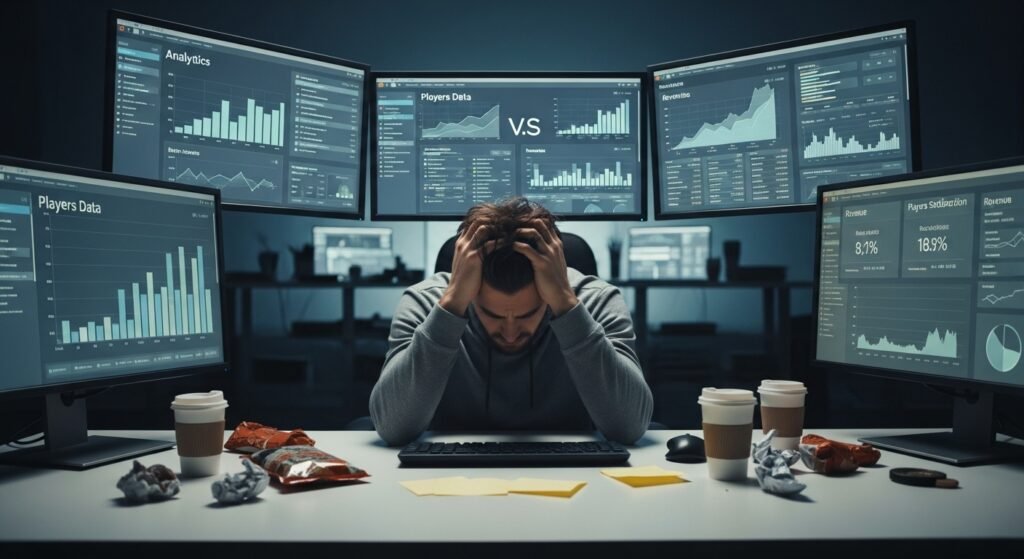
Let me paint you a picture. Back in 2026, I interviewed a mid tier mobile game developer who was completely candid about their monetization struggles. They needed revenue to keep servers running and fund updates, but every time they introduced premium items, their player base revolted. Free players felt cheated. Paying players got bored after steamrolling the competition. The delicate ecosystem that made the game fun was collapsing.
This wasn’t and isn’t unique to one studio. The free to play model essentially created a prisoner’s dilemma for developers. Make items too powerful, and you alienate your core player base. Make them too weak, and why would anyone buy them? Traditional balancing methods relied on manual tweaking, player feedback cycles, and lots of guesswork.
Enter AI: The Invisible Referee
Modern AI systems are now being deployed as real time balancing engines that monitor millions of gameplay interactions simultaneously. These aren’t simple algorithms; they’re machine learning models trained on vast datasets of player behavior, match outcomes, and purchasing patterns.
One European studio I spoke with last year implemented what they called a “dynamic fairness system.” The AI constantly analyzes match data to identify imbalances. If players who purchased a particular weapon are winning significantly more than they should based on skill metrics, the system flags it. Not for an immediate nerf, but for investigation and gradual adjustment.
What impressed me most was the nuance. The AI doesn’t just look at win rates. It examines time to kill, positioning data, accuracy stats, and even measures player frustration through behavioral signals like rage quitting or reduced playtime following matches against paying players. It’s creating a multidimensional picture of fairness that human analysts simply couldn’t compile at scale.
Matchmaking Gets Smarter
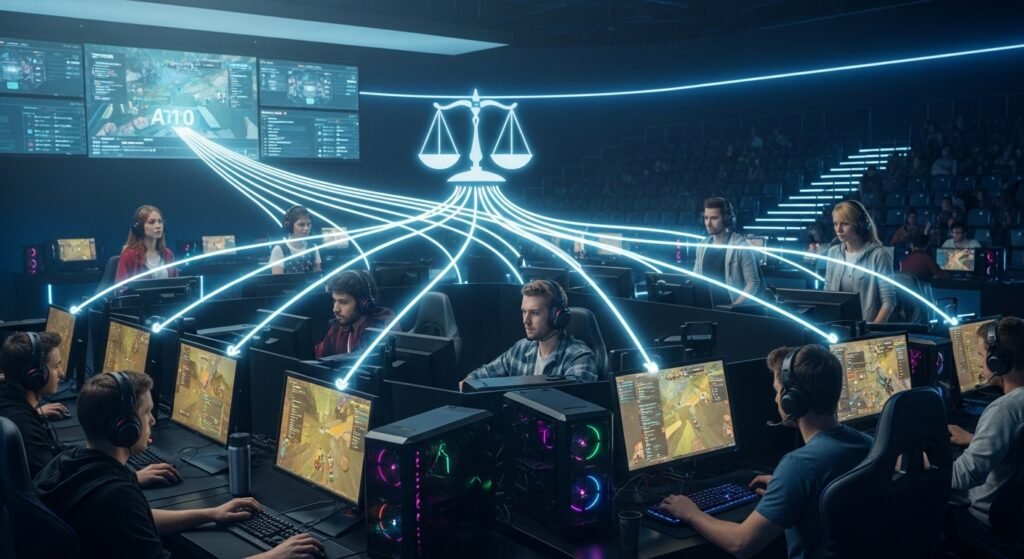
Perhaps the most practical application I’ve seen is in AI driven matchmaking systems that account for purchased advantages. Instead of crude calculations, modern systems can estimate the exact power level contributed by purchased items and adjust matchmaking accordingly.
Think of it this way: if you bought a legendary sword that gives you a measurable advantage, the AI might match you with slightly more skilled opponents who haven’t made purchases, creating a balanced experience for everyone. The system continuously learns and adapts based on actual match outcomes rather than theoretical item stats.
A competitive shooter I’ve been playing recently uses this approach, and honestly, I didn’t even notice it was happening until I read the developer notes. The matches feel fair regardless of whether I’m using free or premium gear. That’s the point invisible balancing that maintains competitive integrity without punishing anyone.
Predictive Modeling for Game Design
Some forward thinking studios are using AI before problems even emerge. By running simulations with machine learning models, they can predict how introducing a new premium item will affect game balance across different skill levels and play styles.
I watched a presentation at a game development conference where a team demonstrated their simulation environment. They’d modeled their entire player base as AI agents with varying skill levels, play patterns, and spending behaviors. When testing a new premium character, the simulation ran through hundreds of thousands of virtual matches to predict exactly how it would shift the meta.
The results were eye opening. Items that seemed balanced in isolation created cascading effects when combined with certain strategies or existing items. The AI caught these interactions before a single real player encountered them. It saved the team from what could have been a disastrous update and the inevitable player backlash.
The Challenges and Limitations

I’d be dishonest if I didn’t mention the complications. AI systems are only as good as the data they’re trained on, and they can sometimes perpetuate existing imbalances if not carefully monitored. I’ve also seen cases where the AI over corrected, making premium items feel worthless which creates its own set of problems when players have spent real money.
There’s also the philosophical question: should AI be making these decisions at all? Some purists argue that game balance is an art form that requires human intuition and design philosophy. They’ve got a point. The best implementations I’ve seen use AI as a tool that informs human decision making, not as an autonomous balancing authority.
Privacy concerns exist too. These systems require collecting detailed player data, and not everyone is comfortable with that level of monitoring, even if it’s anonymized and used for balancing purposes.
What This Means for Players
From where I sit, the trend is positive. I’ve personally noticed that newer competitive games with AI assisted balancing feel more fair than older titles that relied purely on manual adjustments and lengthy patch cycles. Problems get identified and addressed faster. The arms race between paying and non paying players is less pronounced.
That said, AI isn’t a magic bullet that eliminates pay to win mechanics entirely. Some games still use predatory monetization wrapped in sophisticated balancing making the unfairness less obvious but still present. Critical thinking and community vigilance remain essential.
Looking Forward
The gaming industry is still in the early stages of this technology adoption. Smaller studios often lack the resources to implement sophisticated AI systems, creating a potential divide where only big budget titles can offer truly balanced experiences.
But the costs are dropping, and middleware solutions are emerging that let developers license these technologies rather than building them from scratch. I expect we’ll see AI assisted balancing become standard practice within the next few years, much like how anti-cheat systems evolved from novelties to necessities.
The ultimate goal isn’t to eliminate monetization developers need sustainable revenue models. Instead, it’s about creating ecosystems where skill matters more than wallet size, where purchases provide variety and customization rather than pure power, and where the playing field stays level enough that everyone has a fighting chance.
FAQs
Does AI completely eliminate pay to win mechanics?
No, it helps detect and balance them, but the underlying monetization model still depends on developer decisions. AI is a tool for fairness, not a guarantee.
Can players tell when AI balancing is active?
Usually not directly. Well implemented systems work invisibly in the background, though some developers mention it in patch notes or transparency reports.
Do all modern games use AI for balancing?
No. It’s more common in competitive multiplayer games and titles with active live service models. Many single-player or smaller indie games don’t need these systems.
Is my personal data being collected for this?
Typically yes, but it’s usually anonymized gameplay metrics rather than personal information. Check each game’s privacy policy for specifics.
Can AI balanced games still be unfair?
Absolutely. AI can reduce certain imbalances but can’t fix fundamentally flawed game design or intentionally predatory monetization schemes.