

I remember the first time I noticed a game was genuinely reading my moves. I was playing a fighting game, trying my usual corner trap strategy that had worked for years, when the AI opponent suddenly started countering it perfectly. Not randomly deliberately. That’s when it hit me: games weren’t just following scripted patterns anymore. They were learning.
Player behavior prediction has become one of the most fascinating developments in modern gaming, and honestly, it’s changed everything about how we design and experience games. Let me walk you through what’s actually happening behind the scenes.
What We’re Really Talking About

When we discuss AI player behavior prediction in games, we’re looking at systems that analyze how you play and anticipate your next moves. It’s not mind reading it’s pattern recognition on steroids. These systems collect data on your decisions, timing, preferred strategies, and even the mistakes you tend to make. Then they build a profile that helps the game respond in more intelligent, personalized ways.
Think of it like a chess player who’s studied your previous matches. They know you favor queen side attacks, that you get aggressive when pressured, and that you sometimes overlook knight forks. That knowledge shapes how they play against you. Game AI works similarly, just much faster.
Why This Matters More Than You Think
The gaming industry hit a wall with traditional AI. Players got too good at exploiting predictable patterns. You’d figure out the boss’s attack cycle, memorize the patrol routes, or abuse the same combo that always worked. Games became less about adaptation and more about rote memorization.
Behavior prediction solves this by creating dynamic difficulty and responsive gameplay. I’ve worked on projects where we implemented basic prediction systems, and player retention jumped noticeably. People stayed engaged longer because the challenge evolved with them. The game wasn’t just harder or easier it was smarter.
Take modern shooters, for instance. If you’re a player who always reloads after every encounter, a sophisticated AI might rush you during that vulnerable moment. If you favor long range engagements, enemies might use more cover and flanking tactics. The game becomes a conversation rather than a script you’re memorizing.
The Technical Side Without the Headache
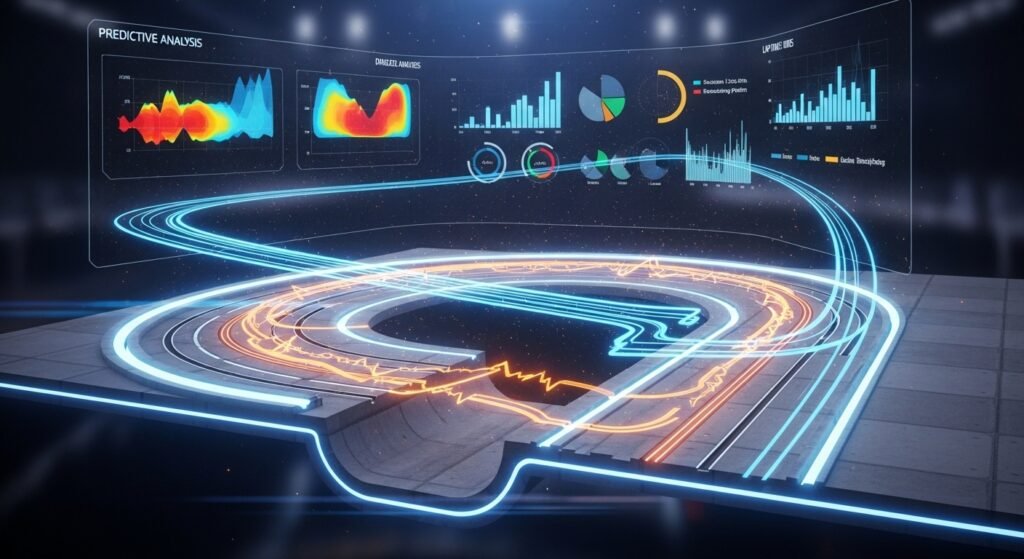
You don’t need a computer science degree to understand the basics here. Most prediction systems use what we call machine learning models specifically, techniques like decision trees, neural networks, or reinforcement learning.
Here’s a simplified version of how it works: The system tracks specific player inputs and outcomes. Let’s say you’re playing a racing game. It notices you brake late into corners, prefer inside lines, and accelerate aggressively out of turns. The AI builds a statistical model of these tendencies. When you approach the next corner, it can predict with reasonable accuracy what you’ll do and position AI racers accordingly.
Some games use simpler methods like behavior trees with weighted probabilities. If you’ve used your special attack three times in the last minute, the system increases the probability that you’ll use it again soon and prepares a counter. It’s less sophisticated than deep learning but often more practical for real time gameplay.
The real trick is balancing prediction accuracy with fun. Nobody wants to play against an AI that perfectly counters everything you do that’s just frustrating. The sweet spot is making players feel like they’re up against a worthy opponent, not a psychic.
Real-World Examples Worth Noting
Left 4 Dead’s AI Director remains one of my favorite implementations. This system didn’t just predict individual player behavior; it analyzed the entire team’s stress levels, health, ammunition, and positioning. Then it adjusted enemy spawns, item placement, and pacing accordingly. Having a great run? Here come three Tank encounters. Struggling? You’ll find more health packs. It felt organic because it responded to actual gameplay rather than time triggers.
F.E.A.R.’s enemy AI showed how prediction could create memorable combat. Soldiers would flank positions where you typically took cover, flush you out with grenades when you stayed stationary too long, and communicate in ways that suggested they were learning your tactics. Players swore the AI was revolutionary and much of that came from systems that anticipated common player behaviors.
More recently, Middle earth: Shadow of Mordor’s Nemesis System used behavior tracking differently. It remembered your encounters with specific enemies and adapted their tactics and personalities based on how you’d fought them before. Beat an orc captain with fire? He’d return with fire immunity and a grudge. It created emergent narratives that felt personal.
The Challenges Nobody Talks About
Implementing behavior prediction isn’t straightforward, and I’ve seen plenty of projects struggle with it. The biggest issue? Performance. Running complex prediction models in real time while maintaining frame rates is genuinely difficult, especially on console hardware with limited resources.
There’s also the data problem. Prediction models need training data, but how do you get that before the game launches? Some studios use playtesting data, others bootstrap with simulated player behaviors, and some use data from previous titles. None of these approaches are perfect.
Then we hit the ethical considerations. How much player data should we collect? How long should we keep it? If we’re predicting behavior, are we also manipulating it? These aren’t hypothetical questions they’re active debates in studios right now. The line between adaptive difficulty and psychological manipulation can get uncomfortably thin.
I’ve been in meetings where we discussed whether certain prediction based systems were “too effective” at keeping players engaged. When your system can predict when someone’s about to quit and adjusts the game to keep them hooked, you’re entering murky territory.
Where This Technology Goes Next
The future of player behavior prediction probably involves more sophisticated cross game learning. Imagine systems that understand you’re generally an aggressive player across multiple games and adapts new games to your style from the start. Cloud gaming makes this more feasible since player data and processing can happen server-side.
We’re also seeing integration with procedural content generation. Instead of just adapting AI behavior, games might generate entire levels or scenarios based on predicted player preferences. Like playing stealth sections? The game creates more of them. Hate escort missions? They quietly disappear from your playthrough.
Voice and biometric data represent another frontier, though one fraught with privacy concerns. Some experimental systems have analyzed voice stress, controller grip pressure, or even facial expressions to gauge player emotion and adjust accordingly. Whether players actually want this level of analysis is an open question.
The Bottom Line
AI player behavior prediction has moved from research papers to practical game development tools. It’s making games more responsive, challenging, and personalized. But it’s not magic it’s statistics, pattern recognition, and carefully designed systems that balance prediction with playability.
As someone who’s spent years in this space, I find the technology genuinely exciting. But I also think we need honest conversations about implementation, ethics, and player consent. The best prediction systems enhance player agency rather than undermining it. They create challenges that feel fair and adaptive rather than omniscient and oppressive.
Games have always been about creating experiences. Behavior prediction is just another tool in that toolkit powerful when used thoughtfully, problematic when applied carelessly. The games that get this right in the coming years will set new standards for what interactive entertainment can achieve.
FAQs
Q: Can game AI actually predict what I’ll do next?
A: To some extent, yes. It identifies patterns in your playstyle and makes educated guesses about your next actions, though it’s not 100% accurate and shouldn’t be.
Q: Does this mean games are spying on me?
A: Most behavior prediction happens locally within the game itself. Some online games collect behavioral data, but reputable developers have privacy policies explaining what they collect and why.
Q: Will this make games too hard?
A: Good implementation actually balances difficulty better. The goal is challenge that adapts to your skill level, not impossible AI that counters everything perfectly.
Q: Do all modern games use behavior prediction?
A: No. It’s more common in competitive games, action titles, and some RPGs, but many games still use traditional scripted AI.
Q: Can I tell when a game is predicting my behavior?
A: Sometimes you’ll notice AI responding to your specific tactics unusually well, but good systems feel natural rather than obvious. If it feels like the game “knows you,” prediction is probably involved.