
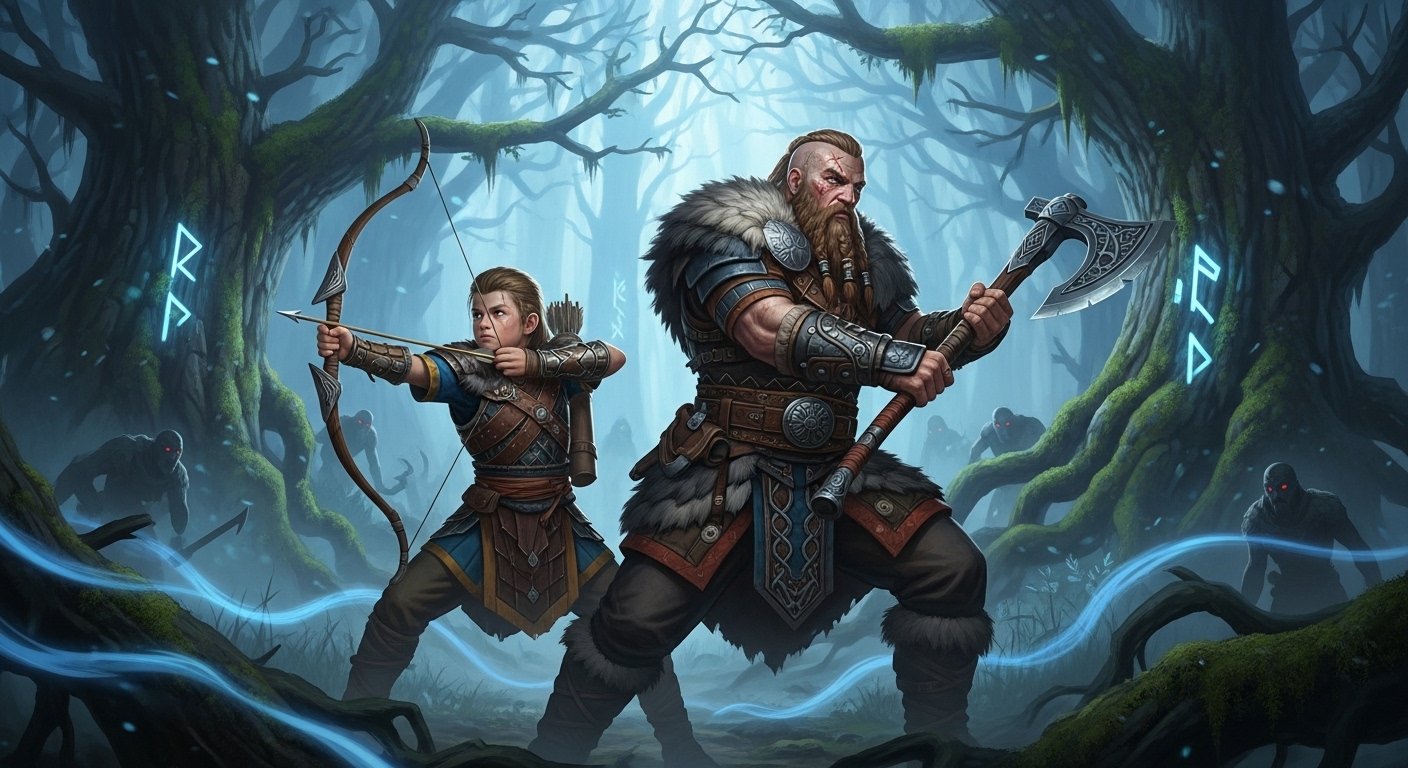
There’s this moment I keep coming back to whenever someone asks me about the future of gaming. It was during my third playthrough of God of War (2026), and Atreus did something unexpected. Without any prompting, he shouted a warning about an enemy flanking me from the left, tossed me a health stone when I was nearly dead, and then fired an arrow to stagger the creature just as I was lining up my axe throw. It felt like playing alongside another person. Except it wasn’t.
That’s the magic of modern AI powered game companions, and honestly, they’ve come a ridiculously long way from the days of escort missions where you had to babysit useless NPCs who walked into walls or stood in fire.
What Exactly Are AI Game Companions?

At their core, AI powered game companions are non playable characters designed to accompany players throughout their journey. But calling them just “NPCs” feels reductive now. These digital partners use sophisticated behavioral algorithms, machine learning techniques, and adaptive response systems to react dynamically to gameplay situations.
Think of them as virtual teammates programmed to feel alive. They observe the game environment, respond to threats, assist in combat, provide narrative context, and sometimes just… exist alongside you in ways that create genuine emotional connections.
The technology behind these companions has evolved dramatically over the past decade. Early companion AI followed rigid scripts. They moved to predetermined locations, said pre recorded lines at specific triggers, and often felt mechanical. Modern companions? They analyze player behavior, adapt their strategies, learn from repeated encounters, and deliver contextual dialogue that actually makes sense.
The Evolution Nobody Saw Coming

I remember playing Half Life 2 back in 2026, thinking Alyx Vance was revolutionary. And for her time, she absolutely was. But comparing her to companions in recent titles highlights just how far we’ve traveled.
Elizabeth from BioShock Infinite marked a turning point in 2026. Irrational Games spent enormous resources ensuring she wouldn’t feel like a burden. She found supplies, commented meaningfully on the environment, and never broke immersion by requiring rescue. Players didn’t protect Elizabeth she protected them.
Then came Ellie in The Last of Us. Naughty Dog created an AI companion that understood stealth mechanics, knew when to stay quiet, and fought alongside Joel with surprising competence. When she stabbed an enemy attacking you from behind, it didn’t feel scripted. It felt earned.
How Modern Companion AI Actually Works
Without getting too deep into the technical weeds, today’s game companions typically operate on several interconnected systems.
Behavior Trees form the foundation. These are hierarchical structures that determine decision making based on environmental conditions. Is the player fighting? The companion evaluates whether to assist, provide support items, or stay defensive.
Utility Systems add another layer. Instead of binary choices, companions weigh multiple factors simultaneously. How damaged is the player? How many enemies remain? What resources are available? The companion calculates the most useful action given all variables.
Player Modeling represents the cutting edge. Some companions actually track how you play over time. Aggressive players might notice their companions becoming more offensive. Cautious players might see companions adopt supportive roles. It’s subtle, but it makes the partnership feel personalized.
Games like Forspoken and recent entries in the Final Fantasy series have pushed companion AI even further, integrating natural language processing for more organic conversations and emotional responsiveness that adapts to story beats.
The Emotional Impact Nobody Expected
Here’s something the gaming industry has slowly realized: players form genuine attachments to well designed AI companions. This isn’t just sentiment. Studies from player behavior researchers at various universities have documented measurable emotional responses elevated heart rates during companion danger sequences, genuine grief when companions die or leave.
I’ll admit something slightly embarrassing. When Atreus and Kratos had their emotional confrontations in God of War Ragnarök, I felt it. Not because the writing was exceptional (though it was), but because I’d spent dozens of hours with Atreus fighting beside me, covering my blind spots, evolving alongside my playstyle. That investment translated into emotional stakes.
This has massive implications for game design. Developers now understand that companion AI isn’t just about functionality it’s about relationship building.
Current Limitations and Frustrations
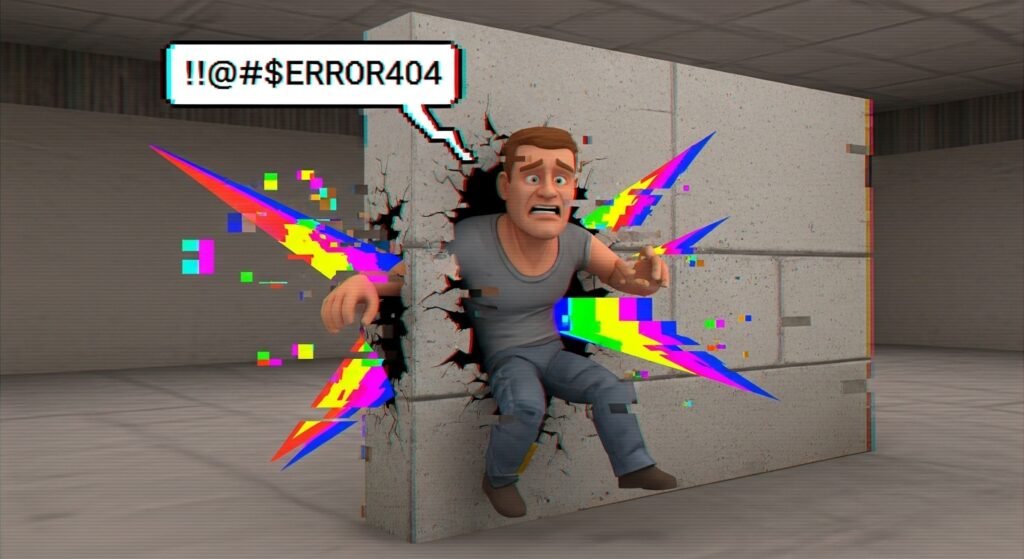
Let’s be honest though. AI companions aren’t perfect, and pretending otherwise would be disingenuous.
Pathfinding still causes headaches. Companions occasionally get stuck on geometry, take bizarre routes, or stand in doorways at the worst possible moments. Even polished titles suffer from these issues.
Combat intelligence varies wildly. Some companions feel competent; others require babysitting despite developer promises. Balance remains tricky make companions too capable and players feel irrelevant, make them too weak and frustration builds.
Dialogue repetition also breaks immersion. Hearing the same combat bark for the hundredth time transforms charming companions into annoying parrots. Dynamic dialogue systems help, but development costs limit how much variety studios can include.
Where Things Are Heading
The next frontier involves more sophisticated machine learning integration. We’re already seeing experimental games where companion personalities genuinely evolve based on accumulated player interactions not just preset personality types, but emergent behaviors.
Voice synthesis technology is enabling more dynamic conversation possibilities. Imagine companions who can discuss events in genuinely varied ways rather than relying on pre recorded libraries.
Some developers are exploring companion AI that remembers across play sessions, building actual relationship histories that inform future interactions. Your companion might reference that boss fight from three weeks ago, acknowledge your playstyle preferences, or adapt communication styles based on established rapport.
Final Thoughts
AI powered game companions represent something bigger than technological achievement. They’re changing how we experience interactive stories, transforming solitary gaming into something resembling genuine partnership.
Done well, these companions make virtual worlds feel populated by beings that matter allies worth fighting for, personalities worth knowing, relationships worth maintaining. Done poorly, they remind us how far we still need to go.
Either way, I can’t imagine modern gaming without them. And honestly? I don’t want to.
FAQs
What makes AI game companions different from regular NPCs?
AI companions use adaptive algorithms to respond dynamically to gameplay situations rather than following rigid scripts. They learn, react, and evolve based on player actions.
Which games have the best AI companions?
God of War, The Last of Us series, BioShock Infinite, and Mass Effect are frequently cited for having exceptional companion AI that feels genuinely helpful and emotionally engaging.
Can AI companions actually learn my playstyle?
Yes, many modern companions use player modeling systems that track behavior patterns and adjust their assistance strategies accordingly over time.
Do AI companions make games easier?
Sometimes, but well designed companions are balanced to assist without removing challenge. They supplement player skills rather than replacing them.
Will AI companions replace multiplayer co op?
Unlikely. They serve different purposes AI companions offer convenience and narrative integration, while human co op provides social connection and unpredictability.
How do developers prevent companions from being annoying?
Through extensive playtesting, dynamic dialogue systems, intelligent pathfinding, and ensuring companions contribute meaningfully without interrupting player agency.