

Remember the frustration of being stuck on a boss fight for hours, flipping through a thick paper manual, or eventually giving up and looking for answers online? Those days are fading fast. Modern games have evolved far beyond static tutorials and hint systems, embracing intelligent assistance that actually understands what you’re struggling with and responds accordingly.
Having spent over a decade covering gaming technology and watching countless players interact with these systems firsthand, I’ve witnessed a genuine transformation in how games communicate with their audiences. Let me walk you through what’s happening behind the scenes.
What Exactly Are AI Powered Help Systems?
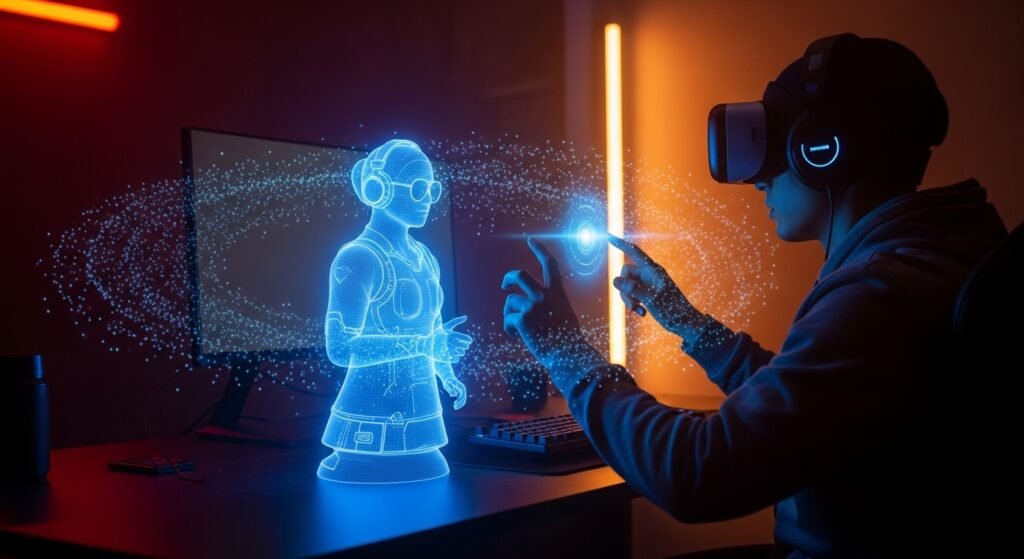
At their core, these systems represent a departure from the traditional “press this button to see a tip” approach. Instead of serving generic hints, AI powered help systems monitor player behavior, analyze patterns, and deliver contextual assistance precisely when needed.
Think about it this way. The old method was like having a cookbook that only told you ingredients existed. The new approach is more like having a patient friend watching over your shoulder, noticing you’ve burned the garlic three times, and gently suggesting you turn down the heat before you even ask.
Games like Ghost of Tsushima pioneered accessible guiding mechanics with its wind system, pointing players toward objectives naturally. But newer implementations go deeper, tracking deaths, time spent on puzzles, and even subtle hesitations in movement to determine when intervention might help.
How These Systems Actually Work
Under the hood, most AI help systems rely on behavioral analysis and machine learning models trained on massive datasets of player interactions. Developers feed these systems information about common failure points, expected completion times, and successful player strategies.
When you’re playing, the system creates a profile of your skill level and play style. Struggling with combat but breezing through puzzles? The game notices. Taking unusual routes or making choices outside typical patterns? That gets flagged too.
Resident Evil Village offers a good example of this scaling philosophy. The game tracks your inventory management, combat success rate, and resource conservation. If you’re having trouble, enemy damage might subtly decrease, or helpful items become slightly more common. Most players never notice these adjustments happening.
The real magic lies in the balance between helping and hand holding. Nobody wants a game that plays itself, but nobody enjoys quitting in frustration either.
Real Benefits for Players
The most obvious advantage is reduced frustration without breaking immersion. Instead of pausing to Google a solution, you receive contextual nudges that keep you engaged in the experience.
Accessibility represents another massive win. Players with different cognitive abilities, reaction times, or gaming experience can all enjoy the same titles without feeling excluded. The Last of Us Part II received widespread praise for its accessibility options, many of which rely on intelligent system monitoring to provide appropriate assistance.
I’ve watched casual players people who might otherwise abandon a challenging game after twenty minutes finish entire campaigns because these systems met them where they were. That’s not lowering standards; that’s expanding who gets to participate.
What Developers Gain
From a business perspective, smarter help systems translate directly to better retention metrics. Players who complete games buy sequels, recommend titles to friends, and engage with additional content. A player who rage-quits during chapter three generates zero additional value.
Development studios also collect valuable data about where their designs succeed or fail. When thousands of players struggle at the same encounter, that feedback helps inform patches, updates, and future project decisions. It’s playtesting at scale, happening in real-time.
The Limitations Worth Acknowledging
These systems aren’t perfect, and pretending otherwise would be dishonest. Privacy concerns exist anytime software monitors behavior closely enough to predict frustration. Most developers handle this data responsibly, but the collection itself raises valid questions about consent and transparency.
There’s also the risk of over assistance. Some games lean too heavily on helping, accidentally training players to wait for hints rather than experimenting independently. Finding that sweet spot requires careful design and extensive testing.
Cultural and individual differences present challenges too. What frustrates one player might represent exciting challenge for another. A system trained predominantly on Western play patterns might misread behavior from players with different gaming backgrounds.
Finally, these systems require significant development resources. Smaller studios often lack the budget and expertise to implement sophisticated behavioral analysis, creating a potential gap between AAA titles and independent games.
Where Things Are Headed
The trajectory points toward increasingly personalized experiences. Future systems will likely predict struggles before they occur, adjusting level design dynamically rather than just providing reactive hints.
Voice activated help is already appearing in some titles, allowing players to ask questions naturally and receive responses tailored to their current situation. Integration with broader gaming ecosystems could eventually let assistance follow players across titles, building comprehensive skill profiles over time.
Some developers are experimenting with emotional detection through camera feeds and biometric controllers, though these approaches raise significant ethical considerations that the industry hasn’t fully addressed.
Finding the Right Balance

What strikes me most after years of observing this evolution is how the best implementations remain invisible. When help systems work properly, players simply feel supported. They don’t notice the careful engineering behind their positive experience.
The worst implementations feel patronizing or intrusive, constantly reminding players they’re struggling. That’s the line designers walk being present without being pushy, helpful without being condescending.
Games have always been about challenge and reward, tension and release. Smart assistance systems don’t eliminate that fundamental loop; they calibrate it for individual players. Done well, more people get to experience the satisfaction of overcoming obstacles without feeling like those obstacles were moved for them.
That’s the real promise here. Not easier games, but games that meet players where they are and help them grow into capable participants in whatever world developers have created.
Frequently Asked Questions
Do AI help systems make games easier?
Not necessarily easier, but more adaptable. They adjust to individual skill levels rather than applying universal difficulty settings.
Can I disable these help features?
Most games allow players to turn off hints and adaptive assistance in settings menus for those preferring unassisted experiences.
Do these systems collect personal data?
They typically collect behavioral data about gameplay patterns. Privacy policies vary by developer, so check individual game documentation.
Are AI help systems only in AAA games?
While more common in big budget titles, simpler versions appear in indie games too. Implementation complexity varies widely.
Do these systems affect achievements or trophies?
Depends on the game. Some disable certain achievements when assistance features are active; others don’t differentiate.
Will traditional tutorials disappear?
Unlikely entirely, but they’re becoming shorter and supplemented by ongoing contextual guidance throughout gameplay.