
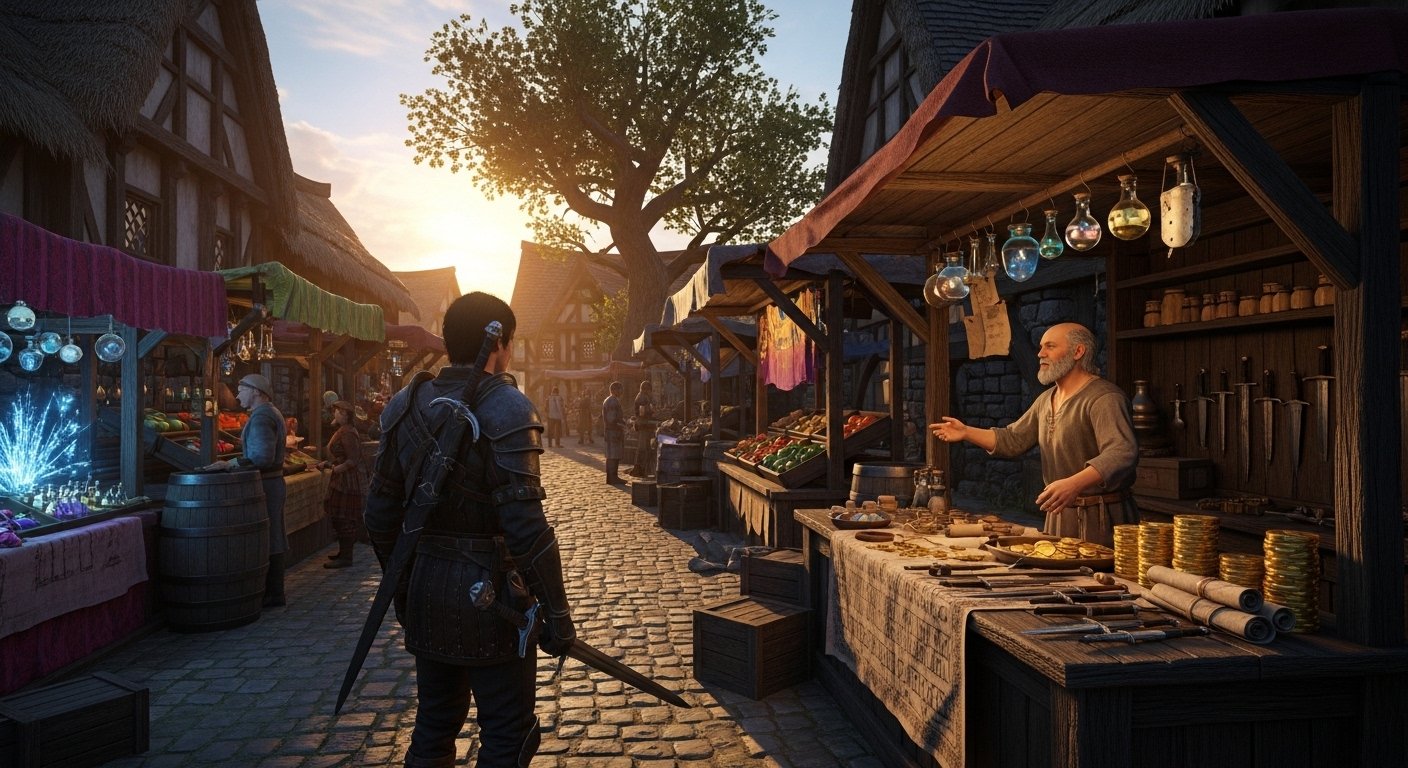
There’s a moment I remember vividly from playing a recent open world title. I was wandering through a village, not doing anything particularly important, when a merchant NPC remembered that I’d helped his brother three towns over. He offered me a discount and asked about his sibling’s wellbeing. It wasn’t scripted. It wasn’t part of any quest. The game had simply connected dots in ways traditional programming couldn’t have managed.
That’s the promise of AI-powered open world games and increasingly, it’s becoming reality.
The Evolution From Static Worlds to Living Ecosystems
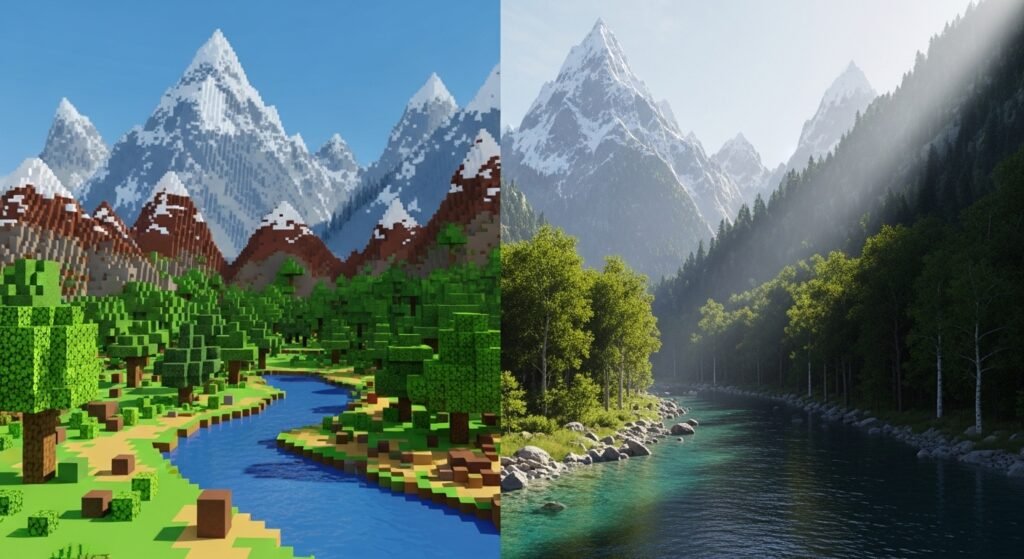
Open world games have always been about freedom. From the sprawling landscapes of early Grand Theft Auto titles to the meticulous detail of Red Dead Redemption 2, developers have chased the dream of creating worlds that feel alive. But there’s always been a fundamental limitation: everything needed to be hand crafted or generated through rigid algorithms.
Traditional NPCs follow predetermined schedules. Dialogue trees branch predictably. Weather systems cycle through preset patterns. Players eventually notice the seams, the repetition, the artificial nature of it all.
Modern AI changes this equation entirely. We’re now seeing games where non player characters can hold genuine conversations, remember past interactions, and make decisions based on emergent reasoning rather than flowcharts. The world doesn’t just react to player actions it thinks about them.
What Actually Makes These Games Different
Let me be specific about what’s happening under the hood, because there’s plenty of marketing hype to wade through.
The most significant advancement involves natural language processing for NPC interactions. Games like Replica Studios’ implementations and various indie projects now feature characters that can engage in freeform conversation. You’re not selecting from four dialogue options anymore. You’re typing or speaking, and the character responds contextually.
Then there’s behavioral AI. Traditional enemy AI operates on state machines patrol, investigate, attack, retreat. Newer systems employ machine learning models that observe player tactics and adapt accordingly. Play aggressively in early missions, and later enemies coordinate better defensive strategies. It’s not scripted difficulty scaling; it’s genuine adaptation.
Procedural content generation has also matured significantly. While games have used procedural generation for decades (think Minecraft or No Man’s Sky), AI driven approaches create more coherent content. Quest generators that understand narrative structure. Dungeon layouts that consider pacing and challenge curves. Character backstories that maintain internal consistency.
Real Examples Worth Examining
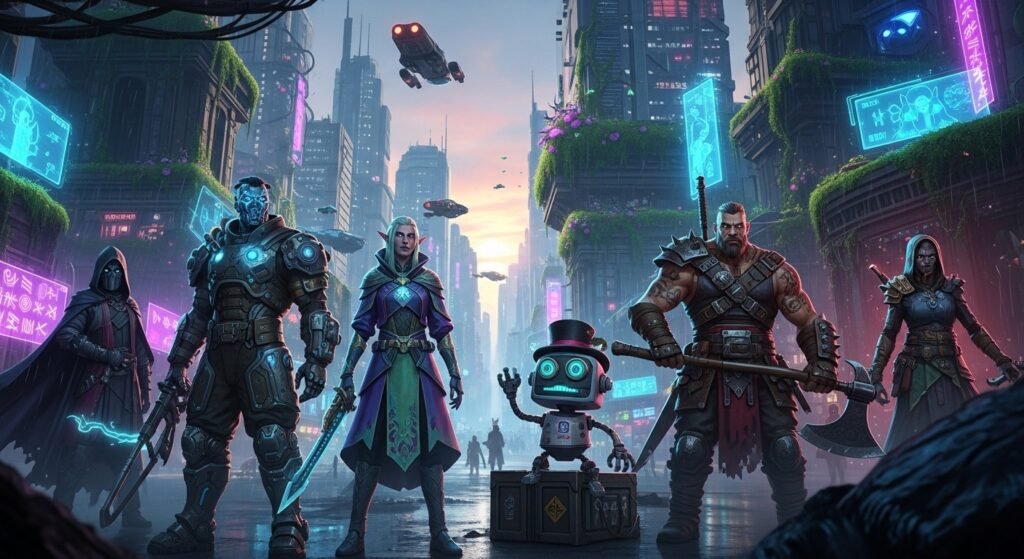
Ubisoft’s NEO NPC technology, demonstrated in their recent projects, showcases AI driven characters with memory systems and contextual awareness. NPCs remember player behavior across multiple sessions and adjust their attitudes accordingly.
Modders have pushed boundaries even further. The Skyrim community has integrated large language models to create fully conversational companions. While technically unofficial, these projects demonstrate what’s possible when AI intersects with massive existing game worlds.
On the indie front, titles like AI Dungeon pioneered text-based open world experiences where literally anything could happen because the narrative engine generates content dynamically. The approach has limitations coherence degrades over extended play but it represented a paradigm shift in interactive storytelling.
Perhaps most interesting is how traditional studios are selectively adopting these technologies. Rather than building entire games around AI, many developers integrate intelligent systems for specific features while maintaining hand crafted core content.
The Genuine Limitations Nobody Wants to Discuss
Here’s where I have to pump the brakes on the enthusiasm.
Current AI systems require substantial computational resources. Running sophisticated language models locally means hefty hardware requirements or cloud connectivity both presenting accessibility and reliability concerns. Not everyone has cutting-edge gaming rigs, and server-dependent features fail when connections drop.
There’s also the coherence problem. AI generated content can be impressive moment to moment but struggle with long term narrative consistency. Characters might contradict themselves across conversations. Procedurally generated quests might conflict with established lore. Human writers and designers still provide something AI cannot: intentional, crafted experiences with deliberate emotional beats.
The uncanny valley applies to behavior too. Sometimes AI characters act almost human but miss subtle social cues that break immersion entirely. A merchant haggling realistically but failing to react appropriately when you draw a weapon creates cognitive dissonance worse than obviously gamey NPCs.
Quality control becomes exponentially harder when AI generates content. How do you playtest infinite possibilities? How do you prevent AI systems from producing offensive or inappropriate content? These remain active challenges without clean solutions.
Where This Technology Actually Heads
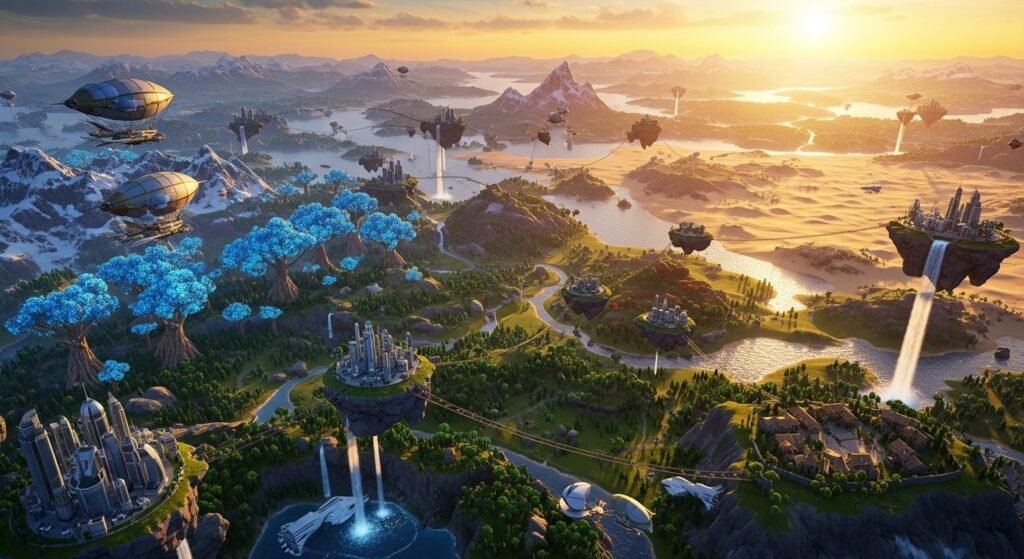
Industry veterans I’ve spoken with suggest the near future involves hybrid approaches. AI handles ambient world behavior background characters going about daily routines, environmental systems responding organically, minor encounters generating dynamically. Meanwhile, main storylines, key characters, and pivotal moments remain author-driven.
This makes practical sense. Players want surprise and discovery, but they also want emotional payoffs that require careful crafting. The magic happens when AI-generated spontaneity leads naturally into designed content.
We’ll likely see AI becoming essential for world population creating the hundreds of background characters needed for urban environments, each with believable routines and responses. Currently, that work requires either enormous development teams or obvious copy-pasting.
The technology will democratize development too. Smaller studios might create expansive worlds previously requiring massive budgets. Whether that improves game quality or merely increases quantity remains to be seen.
Final Thoughts
Having spent considerable time with both traditional and AI enhanced open world games, I’ve reached a nuanced position. The technology genuinely improves immersion in specific contexts. But it’s not magic, and it’s not replacing human creativity anytime soon.
The best implementations feel invisible you don’t notice the AI because the world simply behaves believably. The worst implementations constantly remind you that you’re interacting with probabilistic text generators rather than crafted characters.
We’re witnessing genuine evolution, not revolution. And honestly? That’s probably healthier for the medium.
Frequently Asked Questions
What exactly is an AI powered open world game?
It’s an open world game using machine learning and advanced AI systems for dynamic NPC behavior, procedural content generation, or adaptive gameplay rather than relying solely on traditional scripted programming.
Do AI powered games require internet connection?
Many do, particularly those using cloud based AI processing. However, some games run AI locally, requiring more powerful hardware instead.
Which current games use this technology?
Ubisoft’s recent titles feature NEO NPC technology. Various mods add AI conversation to games like Skyrim. Indie titles like AI Dungeon pioneered AI driven narratives.
Will AI replace game writers and designers?
Unlikely in the near term. AI excels at generating ambient content but struggles with intentional emotional storytelling that human creators provide.
Are AI generated game experiences repetitive?
Current systems can produce repetitive patterns over extended play. Quality varies significantly between implementations.
What hardware do these games require?
Requirements vary widely. Cloud dependent games need stable internet. Local AI processing typically demands high end CPUs and substantial RAM.