
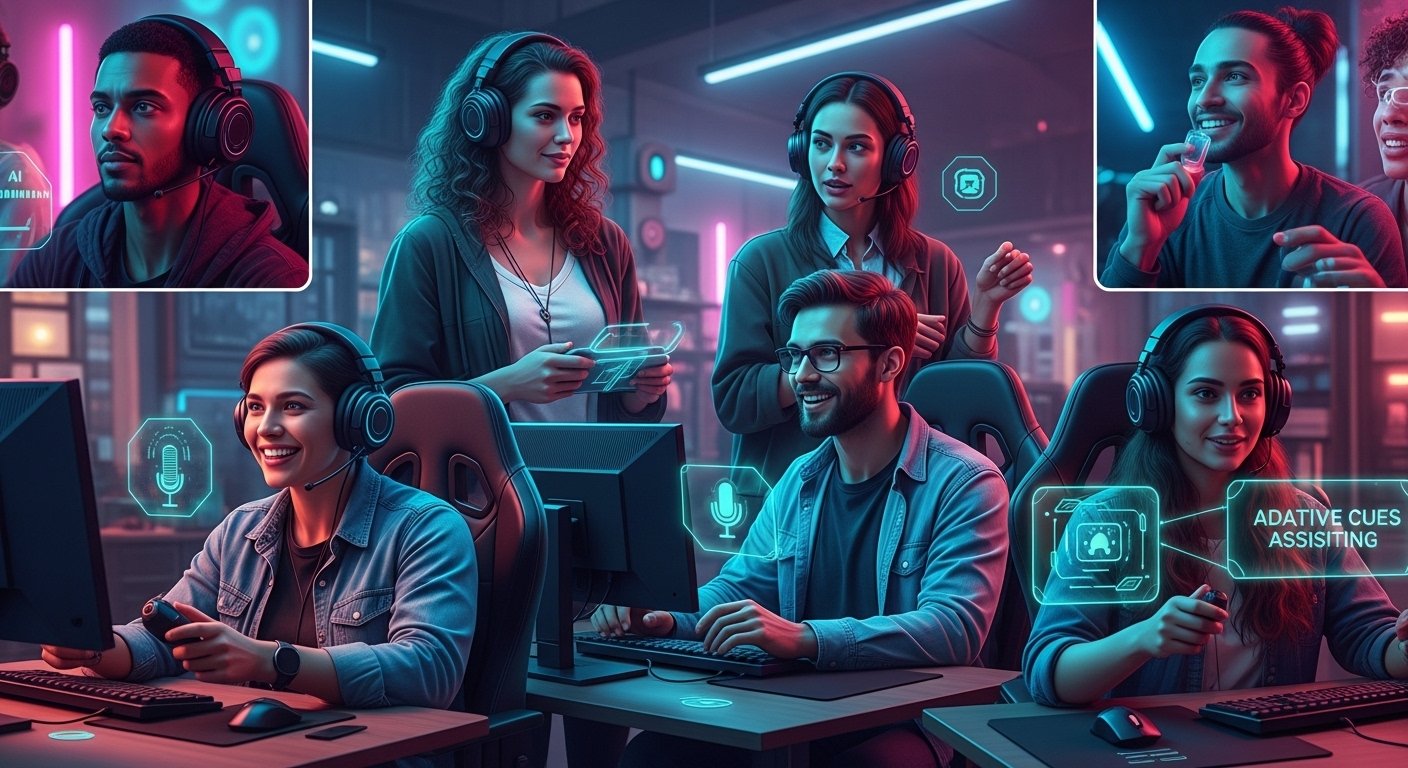
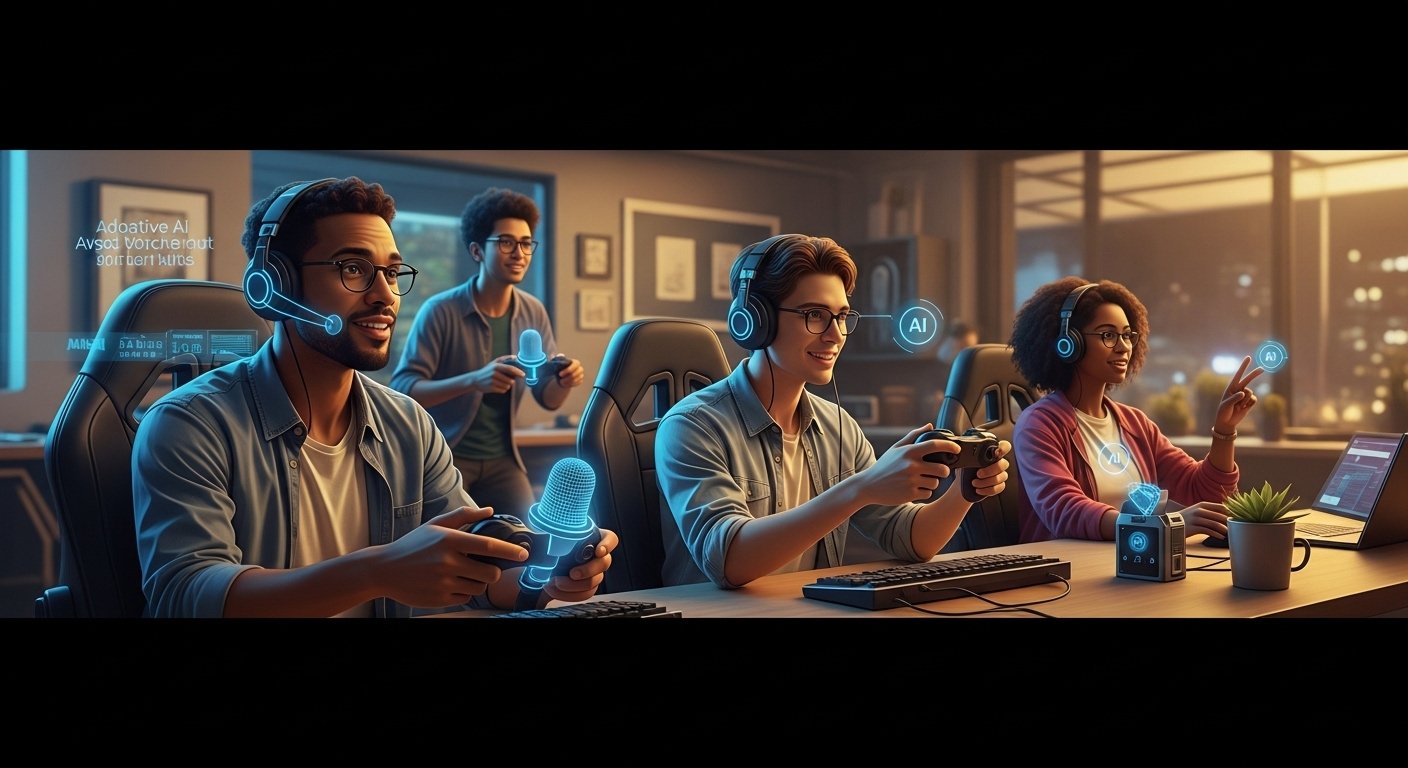
Gaming has come a long way from the simple days of arcade cabinets and basic controllers. What strikes me most about the industry’s evolution isn’t just the graphical improvements or immersive storytelling; it’s how developers have started recognizing that games should be playable by everyone, regardless of physical or cognitive abilities. This includes the implementation of the Best AI Accessibility Tools in Game.
I’ve spent years covering accessibility in gaming, and the integration of intelligent accessibility features represents one of the most meaningful shifts I’ve witnessed. These tools aren’t just checkboxes on a feature list; they’re genuinely changing lives.
Understanding the Accessibility Gap in Gaming
For decades, gaming remained largely inaccessible to millions of people with disabilities. Think about it traditional games require precise timing, visual acuity, complex button combinations, and quick reflexes. That automatically excludes a significant portion of the population.
According to recent studies, approximately 46 million gamers in the United States alone have some form of disability. That’s not a small number. Yet until recently, most of these players had to either struggle through games designed without their needs in mind or simply walk away from a hobby they loved.
Utilizing the Best AI Accessibility Tools in Game can significantly enhance the gaming experience for those who require additional support.
The introduction of smart accessibility features has begun reversing this trend, and honestly, it’s about time.
How Intelligent Accessibility Features Actually Work
Modern games now employ sophisticated systems that adapt gameplay experiences to individual player needs. These aren’t your grandmother’s difficulty settings they’re dynamic, responsive, and surprisingly intuitive.
Adaptive Visual Assistance
Games like Forza Motorsport have implemented blind driving assists that use spatial audio cues to help visually impaired players navigate tracks. Sound crazy? I thought so too until I watched blind players completing races using nothing but audio feedback. The system analyzes track geometry and generates directional sounds that guide players through turns and straightaways.
The Last of Us Part II set a new benchmark here. Its visual accessibility options include high contrast display modes, enhanced navigation assistance, and screen reader functionality that describes on-screen elements. Players who are completely blind have actually completed the entire game something that would’ve seemed impossible just five years ago.
Audio and Communication Tools
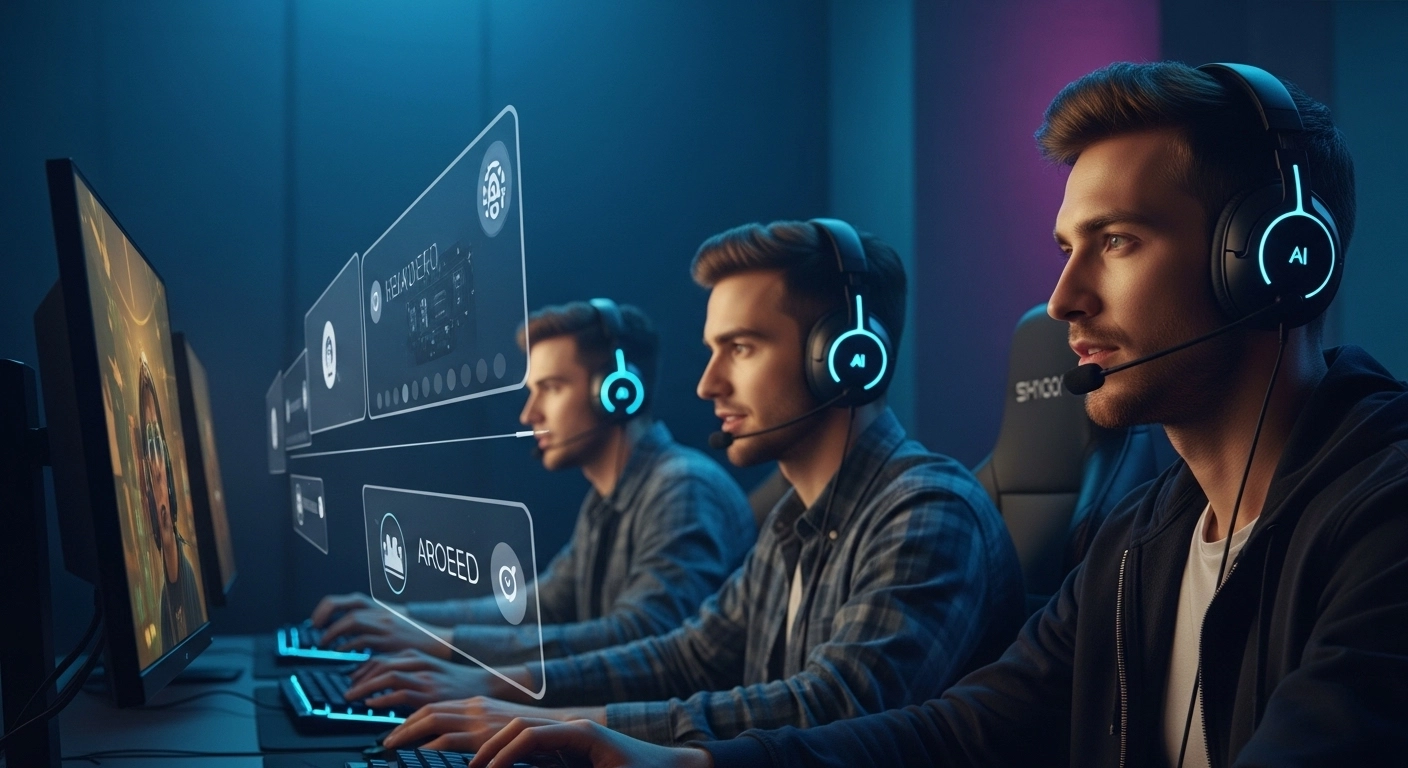
For deaf and hard of hearing players, intelligent captioning systems now go beyond basic subtitles. Marvel’s Spider Man 2 features real time sound visualization that displays directional indicators for important audio cues. Enemy footsteps, environmental hazards, dialogue all translated into visual information.
Some games now include automatic sign language interpretation for cutscenes, though this technology remains in early stages. Still, progress is progress.
Motor Function Adaptations
This is where things get particularly interesting. Players with limited mobility face unique challenges that traditional controller inputs simply can’t accommodate.
Recent titles have introduced features like auto aim assistance that goes way beyond what hardcore gamers might dismiss as “easy mode.” These systems analyze player input patterns and compensate for motor control difficulties. Hold assists eliminate the need for sustained button presses. Sequential input options break complex combinations into single button activations.
Xbox’s Copilot feature allows two controllers to function as one, enabling a caregiver or friend to assist with specific actions while the primary player maintains control over others. It’s collaborative gaming that serves a genuine accessibility purpose.
Cognitive Support Systems
Cognitive accessibility often gets overlooked in these discussions, but it’s equally important. Games increasingly include objective reminders, simplified navigation systems, and adjustable game speed options for players with processing differences.
Some titles now offer “story mode” difficulty that essentially removes failure states, allowing players to experience narratives without performance pressure. This benefits players with anxiety disorders, attention difficulties, or simply those who want to enjoy games at their own pace.
The Industry Leaders Making This Happen
Microsoft has arguably pushed hardest on accessibility, with their Adaptive Controller launching a movement that pressured other manufacturers to follow suit. Sony’s PlayStation 5 introduced controller customization options that seemed basic but addressed real player needs.
Naughty Dog deserves special recognition. Their work on The Last of Us Part II included over 60 accessibility options developed in direct consultation with disabled gamers. That collaborative approach matters. You can’t design effectively for communities you don’t actually engage with.
Ubisoft’s recent titles have incorporated similar features, and even smaller studios are beginning to prioritize accessibility during development rather than treating it as an afterthought.
Challenges and Honest Limitations
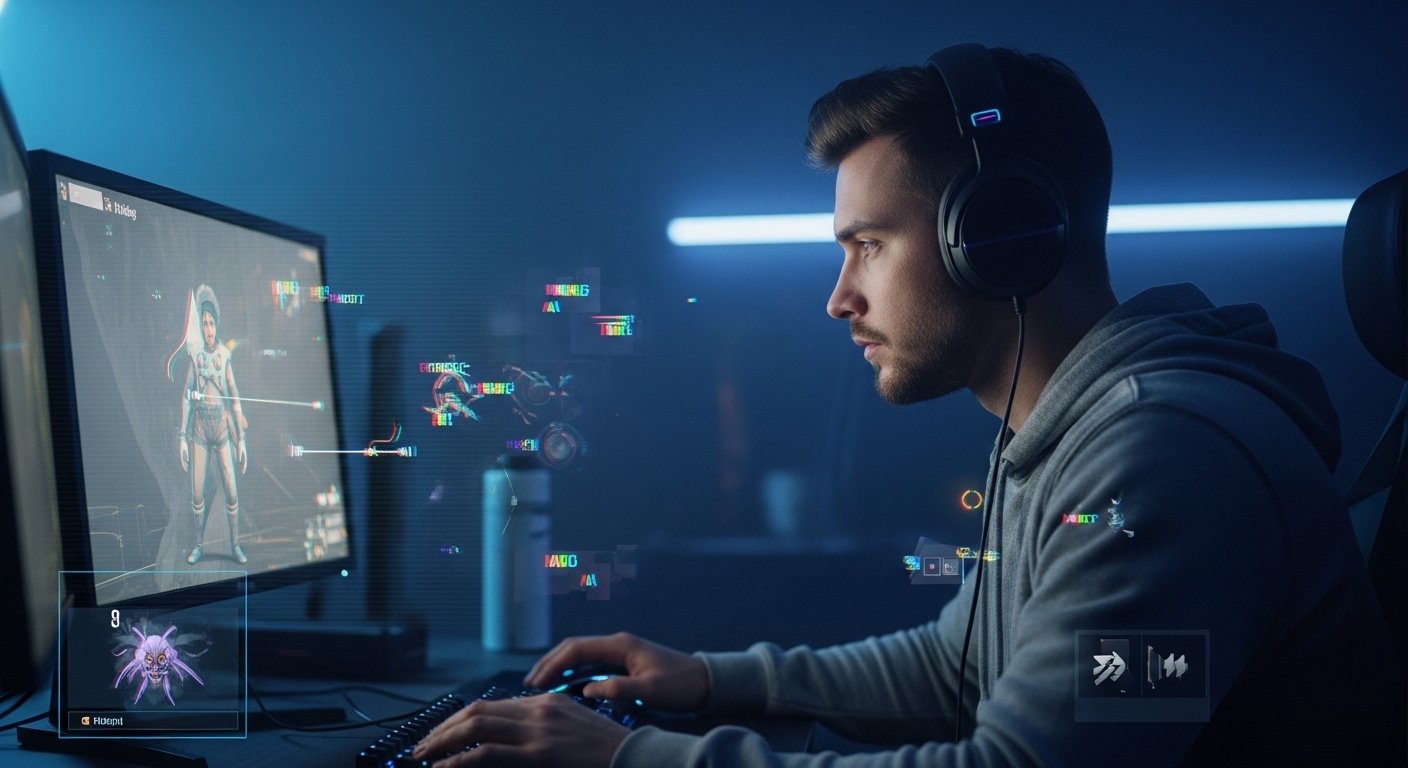
I’d be doing you a disservice if I painted this picture entirely rosy. Significant challenges remain.
Development costs represent real barriers, particularly for smaller studios with limited budgets. Implementing comprehensive accessibility features requires specialized expertise and testing resources that many teams simply don’t have.
There’s also the standardization problem. Each game handles accessibility differently, meaning players must relearn systems with every new title. Industry wide standards would help, but gaming lacks the unified accessibility guidelines that web development now follows.
Some features still need refinement. Audio description systems occasionally miss contextual nuances. Motor assistance can sometimes overcorrect. These technologies improve constantly, but perfection remains distant.
Where We’re Heading
The trajectory feels promising. Major publishers now include accessibility requirements in their development guidelines. Platform holders rate games on accessibility features. Players actively advocate for improvements, and developers are listening.
I expect we’ll see more predictive systems that adapt to individual player patterns over time, essentially learning how each person plays and adjusting accordingly. Real time difficulty scaling based on player performance metrics already exists in limited forms expect this to expand.
Cloud gaming might also democratize accessibility by offloading processing requirements and enabling more flexible control schemes.
Final Thoughts
Gaming should be universal. The intelligent accessibility tools emerging across the industry represent genuine progress toward that goal, even if we’re not there yet.
What excites me most isn’t any single feature or game it’s the cultural shift happening within development studios. Accessibility is increasingly viewed as good design rather than an accommodation. That mindset change will drive innovations we can’t even imagine today.
Every player deserves to experience the joy gaming provides. We’re finally building an industry that believes that too.
FAQs
What are the most common accessibility features in modern games?
Subtitle customization, colorblind modes, button remapping, difficulty adjustments, and audio descriptions are most common. More advanced features include auto aim assistance, navigation aids, and motor function accommodations.
Which games have the best accessibility options?
The Last of Us Part II, Marvel’s Spider Man 2, Forza Motorsport, and God of War Ragnarök consistently rank among the most accessible AAA titles available.
Can blind players really complete video games?
Yes, with proper accessibility features. Games offering comprehensive audio cues, screen reader support, and haptic feedback enable blind players to complete full campaigns independently.
Do accessibility features affect gameplay for non disabled players?
These features are optional and don’t impact standard gameplay. Many non-disabled players actually use certain accessibility options for convenience or comfort.
Are indie games also adding accessibility features?
Increasingly, yes. Celeste, Hades, and Chicory all received praise for thoughtful accessibility implementation despite smaller development teams.
What hardware exists for disabled gamers?
Microsoft’s Adaptive Controller, specialized one-handed controllers, eye tracking devices, and various third party accessories provide alternative input methods for players with different needs.