
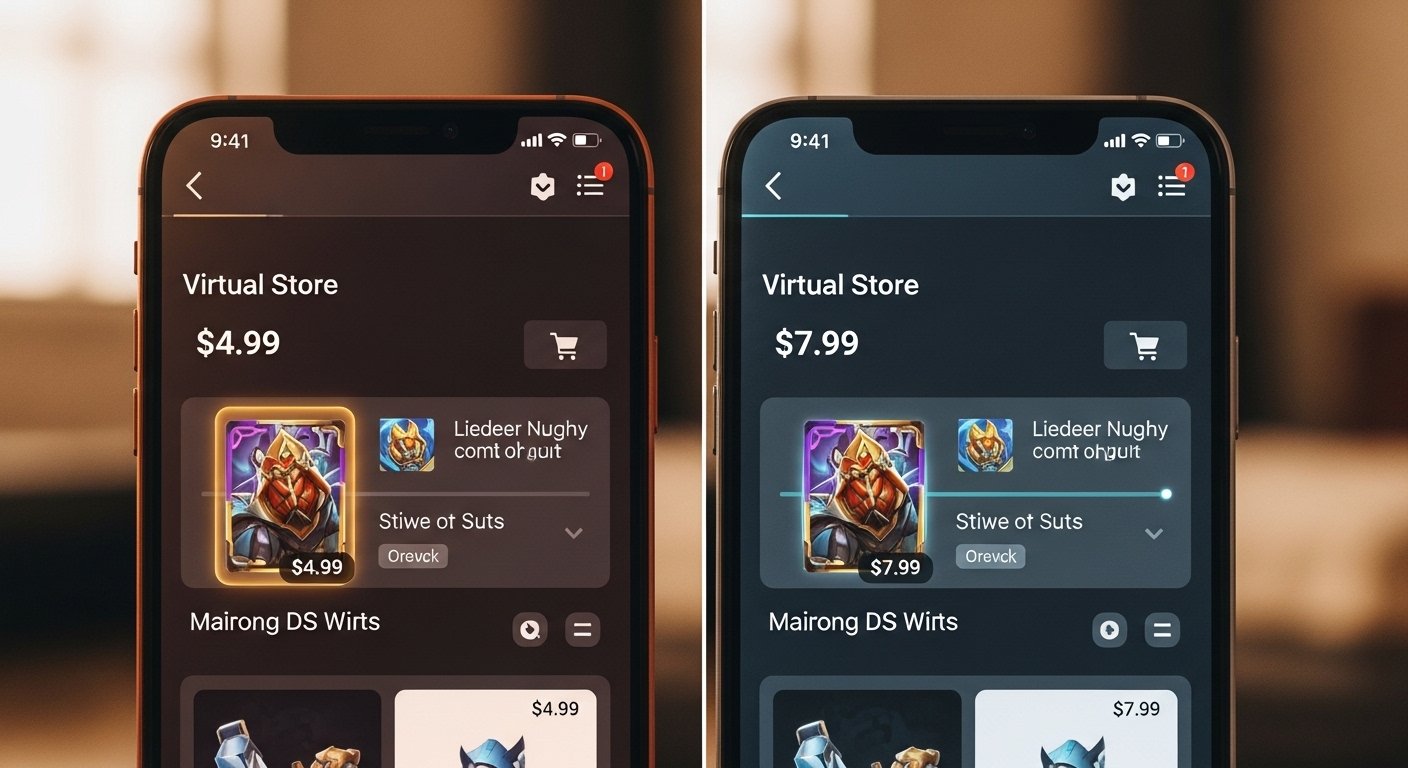
I remember the first time I noticed something odd about in-game pricing. I was chatting with a friend about a mobile game we both played, and she mentioned spending $4.99 on a currency pack. Strange thing was, I’d seen the same pack listed at $7.99 on my account just hours earlier. At first, I thought it was a regional difference or maybe a promotion I’d missed. Turns out, it was something far more sophisticated and controversial.
Dynamic pricing isn’t new to commerce. Airlines have used it for decades, and we’ve all watched Uber prices surge during rush hour. But when this technology creeps into gaming, especially powered by artificial intelligence, it opens a whole new can of worms that the industry is still figuring out how to handle.
What Exactly Is Dynamic Pricing in Gaming?

Dynamic pricing means the cost of items, currency, or even full games changes based on various factors your playing habits, spending history, geographic location, time of day, or even how desperate the system thinks you are to make a purchase. Unlike traditional sales or promotions that everyone sees, AI driven dynamic pricing creates personalized price points for individual players.
The AI algorithms track everything. How often you play, when you play, what you buy, what you almost bought but didn’t, how much you’ve spent before, and even patterns in your gameplay that might indicate you’re about to quit (or become a whale industry slang for big spenders). All this data feeds into machine learning models that predict the optimal price point to show you at any given moment.
How the Technology Actually Works
From my conversations with developers and monetization specialists over the years, here’s what happens behind the scenes. The AI systems collect massive amounts of player data legally, through user agreements we all click “accept” on without reading. This includes behavioral patterns, session lengths, progression rates, and previous purchase history.
Machine learning models then segment players into different groups. Maybe you’re a “price sensitive casual” who only buys during deep discounts. Or perhaps you’re an “impulse buyer” who purchases when excited after a good match. The system might identify you as a “lapsed player” who hasn’t logged in for a week, making you a candidate for comeback offers.
The really sophisticated systems run what essentially amounts to thousands of A/B tests simultaneously. Player A sees one price, Player B sees another, and the AI learns which price points convert best for which player types. Over time, the models get better at predicting exactly what price will maximize revenue from each individual.
Real World Examples and Industry Adoption
Several major publishers have experimented with or implemented dynamic pricing, though most are tight-lipped about specifics and for good reason, as we’ll discuss. Mobile games were the testing ground, largely because the infrastructure for microtransactions was already there.
I’ve tracked cases where popular free to play titles adjusted gem pack prices based on player behavior. Someone who regularly bought the $9.99 pack might suddenly see it at $12.99, while a player who’d never purchased anything might get their first pack at a discount.
Steam has used regional pricing for years, but that’s more straightforward currency conversion and economic adjustment. The newer approach involves individual level pricing that responds to your specific behavior. Some platforms have tested showing different sale prices to different users, though backlash often forces them to walk it back.
The sports game genre think FIFA or NBA titles with their Ultimate Team modes has faced particular scrutiny. While publishers deny using dynamic pricing, the pack based systems and randomized rewards create environments where AI could easily adjust odds or offer prices with most players being none the wiser.
The Developer’s Perspective

I get why companies are tempted by this technology. Game development costs have exploded. A title that cost $10 million to make twenty years ago might cost $200 million today, yet base game prices have barely budged from the $60 mark (now creeping toward $70).
Dynamic pricing theoretically maximizes revenue while giving price sensitive players better deals. Everyone pays what they’re willing to pay classic economic price discrimination, but optimized through AI. Developers argue this helps fund ongoing content, server maintenance, and lets them keep creating games.
One monetization consultant told me their dynamic pricing system increased revenue by 23% without negatively impacting player retention. In their view, they weren’t price gouging; they were finding the sweet spot where players felt good about purchases while the company stayed profitable.
Why Players Feel Uneasy
But here’s the thing gamers absolutely hate feeling manipulated, and dynamic pricing feels inherently manipulative even when it’s offering discounts.
The fairness issue is huge. When two people playing the same game get charged different prices for identical items, that feels wrong on a fundamental level. Gaming has always had a community aspect, and discovering your friend paid less for the same thing breeds resentment.
There’s also the trust factor. Once players suspect dynamic pricing is in play, every price tag becomes questionable. Is this the real price or are they testing me? Should I wait? Should I buy from a different account? This second-guessing degrades the entire purchase experience.
The ethical concerns get darker when you consider vulnerable populations. AI doesn’t care if you’re a gambling addict or a kid with access to mom’s credit card. If the algorithm identifies you as likely to spend, it will optimize for that, potentially exploiting psychological vulnerabilities.
The Regulatory Question

Europe has been more aggressive about consumer protection in digital spaces. The GDPR already restricts how companies can use personal data, and dynamic pricing falls into a gray area. Are players being properly informed? Can they opt out?
Some jurisdictions are considering whether algorithmic pricing constitutes unfair business practices, especially when targeting individuals based on perceived spending capacity or emotional state. There’s talk of requiring disclosure when AI determined prices are being used.
In the United States, regulation has been lighter, but consumer protection agencies are paying attention. The question is whether gaming microtransactions get treated like other digital goods or if the interactive, often competitive nature of games creates special considerations.
Where This Is All Heading
My sense, after years watching this industry, is that dynamic pricing in games is here to stay, but it will evolve. The most aggressive, opaque implementations will face backlash and possibly regulation. Successful models will likely be more transparent perhaps opt in systems where players accept personalized pricing in exchange for genuine discounts.
We might see “pricing tiers” where players choose their approach: standard prices for everyone, or dynamic prices that can go up or down. Some games might use AI pricing only for certain items or only in specific circumstances.
The technology will get better at seeming fair. Instead of charging whales more for everything, systems might offer them exclusive bundles or early access, creating a value proposition that feels less like being penalized for past purchases.
Ultimately, market forces matter. If players abandon games that employ exploitative dynamic pricing, developers will adjust. The games industry is competitive enough that reputation damage from pricing scandals can seriously hurt a title’s success.
Final Thoughts
Dynamic pricing powered by AI represents gaming’s collision with broader digital economy trends. The technology enables unprecedented personalization, which can be genuinely beneficial or deeply exploitative depending on implementation and intent.
I don’t think we’ll see this technology disappear. It’s too potentially lucrative and, when done right, can actually improve player experience through smarter promotions and pricing. But the industry needs to figure out ethical guardrails before regulators impose them, and players need to stay informed and vocal about practices they find unacceptable.
The games we love are increasingly sophisticated economic systems as much as entertainment products. Understanding how and why prices change is becoming part of gaming literacy in 2024 and beyond.
FAQs
Is dynamic pricing in games legal?
Yes, currently it’s legal in most jurisdictions, though it exists in a regulatory gray area. Laws are evolving as authorities examine whether certain implementations constitute unfair business practices.
How can I tell if a game uses dynamic pricing?
It’s difficult. Compare prices with friends, check gaming forums, or create secondary accounts to see if prices differ. Complete transparency from developers is rare.
Does dynamic pricing always mean higher prices?
No. Some players receive lower prices to encourage frst purchases or re engagement. The AI adjusts in both directions based on what it predicts will maximize conversions.
Can I avoid being targeted by dynamic pricing algorithms?
Limiting data sharing helps, but once you’re playing, the game tracks behavior. Using VPNs or creating fresh accounts might show different prices but may violate terms of service.
Are free to play games more likely to use dynamic pricing?
Generally yes, since their entire revenue model depends on optimizing microtransactions. Premium games have less incentive, though some still test dynamic pricing for DLC or in-game currency.