
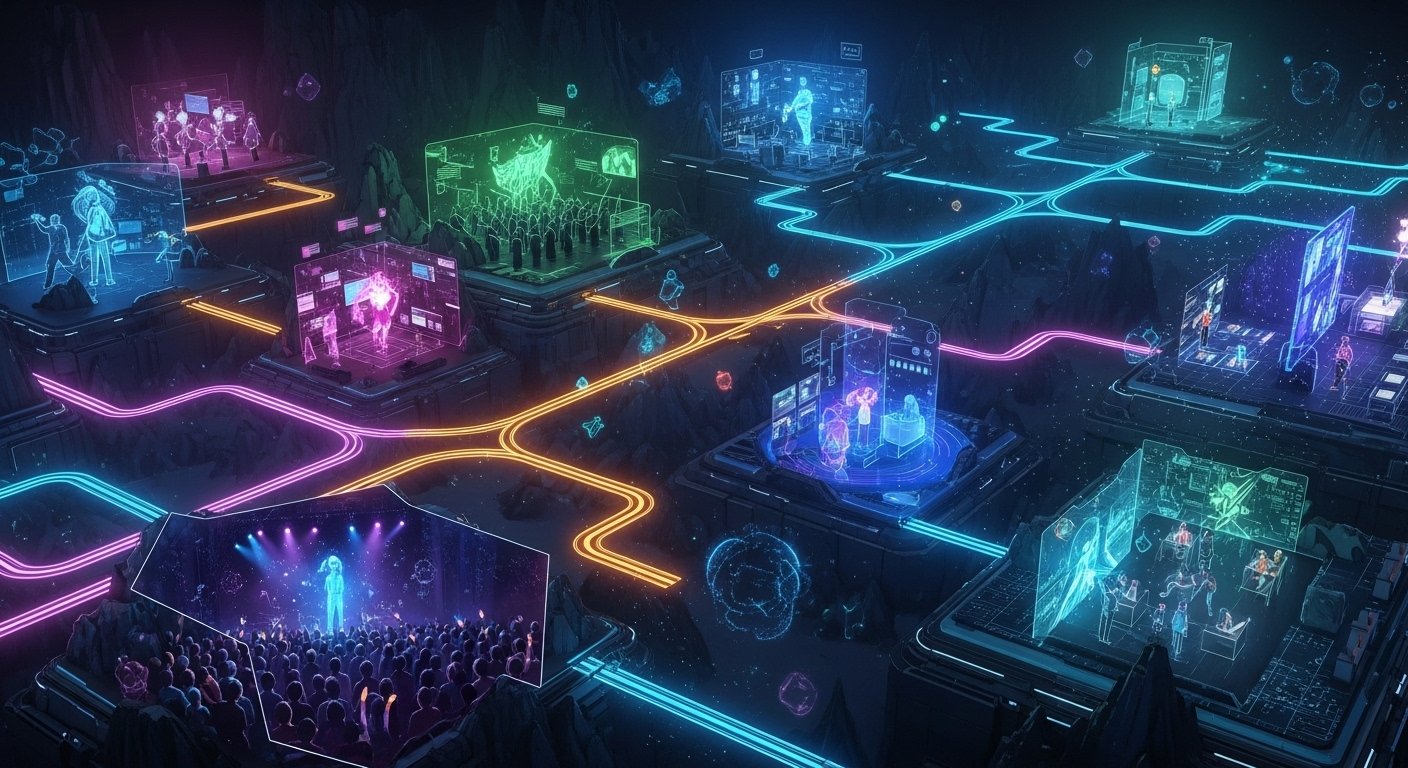
I’ve spent the better part of fifteen years working in interactive media and game design. When I first started out, branching narratives meant painstakingly writing dozens of script variations and hoping players would appreciate the effort. Today? The landscape looks completely different.
Dynamic storytelling has evolved from a niche concept into something reshaping entertainment, marketing, education, and beyond. And honestly, watching this transformation unfold has been fascinating.
Understanding Dynamic Storytelling in the Modern Era

At its core, dynamic storytelling refers to narratives that adapt and change based on user interaction, preferences, or context. Unlike traditional linear stories where everyone receives the same experience, dynamic narratives create personalized journeys.
Think about the difference between watching a movie and playing a role-playing game. The movie stays the same regardless of who watches it. But games like “The Witcher 3” or “Detroit: Become Human” shift dramatically based on player choices. Now imagine that adaptability multiplied exponentially that’s where we’re heading.
The integration of artificial intelligence into storytelling engines has essentially removed previous limitations. Writers no longer need to anticipate every possible scenario. Instead, intelligent systems can generate contextually appropriate responses, create new plot branches, and maintain narrative coherence across countless variations.
Real World Applications Changing Industries
Video Games and Interactive Entertainment
The gaming industry has been the obvious frontrunner here. Studios are implementing systems that don’t just respond to player choices but actually learn from playing patterns.
I worked briefly with a development team creating an indie horror game last year. They integrated an adaptive narrative system that tracked player behavior did they hide from threats or confront them? Did they explore thoroughly or rush through areas? The story would subtly shift based on these observations, creating what felt like a genuinely personalized horror experience.
Larger studios are pushing even further. Characters now remember past interactions with remarkable accuracy, respond emotionally to player decisions made hours earlier, and can improvise dialogue that fits established personality frameworks.
Marketing and Brand Storytelling
Here’s something many people overlook: advertising has embraced dynamic storytelling in significant ways. Brands are creating interactive narratives that adapt based on viewer demographics, browsing history, and engagement patterns.
A cosmetics company I consulted for last spring developed an interactive campaign where customers essentially built their own brand story. The narrative shifted based on their skin concerns, lifestyle questions, and aesthetic preferences. Completion rates were three times higher than their standard video ads.
Educational Content
This application excites me most. Educational platforms are using adaptive narratives to explain complex subjects through personalized story contexts. A student interested in sports receives historical lessons through athletic competitions. Someone passionate about cooking learns chemistry through culinary science.
The engagement difference is measurable and significant.
The Technology Making This Possible

Without getting overly technical, several key developments have enabled this storytelling revolution.
Natural language processing has reached a point where systems can understand context, maintain conversation threads, and generate grammatically correct, contextually appropriate responses. This wasn’t reliable five years ago. It is now.
Machine learning algorithms can identify patterns in user behavior and predict preferences with surprising accuracy. These predictions inform story adaptation in real time.
Procedural generation techniques, combined with carefully designed constraints, allow for nearly infinite variations while maintaining narrative quality and coherence.
Benefits That Actually Matter
The most obvious benefit is personalization. People genuinely engage more deeply when stories feel tailored to them. But there’s more happening beneath the surface.
Accessibility improvements represent an underappreciated advantage. Dynamic systems can adjust complexity, pacing, and presentation styles based on user needs. Someone with reading difficulties might receive more visual storytelling elements automatically.
Content longevity increases dramatically. When stories adapt and change, they maintain freshness across multiple experiences. Games with strong dynamic narrative systems see significantly longer player engagement.
Emotional resonance deepens when narratives align with individual values and experiences. Research consistently shows personalized stories create stronger emotional connections than generic alternatives.
Challenges We’re Still Navigating
I’d be painting an incomplete picture without acknowledging current limitations.
Quality consistency remains difficult. While adaptive systems have improved tremendously, they occasionally produce awkward dialogue or illogical plot developments. Human oversight is still essential.
Creative control presents philosophical questions. How much should stories adapt versus maintaining authorial vision? Some creators worry about diluting intentional artistic choices.
Resource requirements are substantial. Implementing sophisticated dynamic storytelling demands significant investment in both technology and content creation.
Ethical considerations deserve attention too. When stories adapt based on psychological profiles, where’s the line between personalization and manipulation? This conversation needs more industry attention.
Looking Forward: What Comes Next
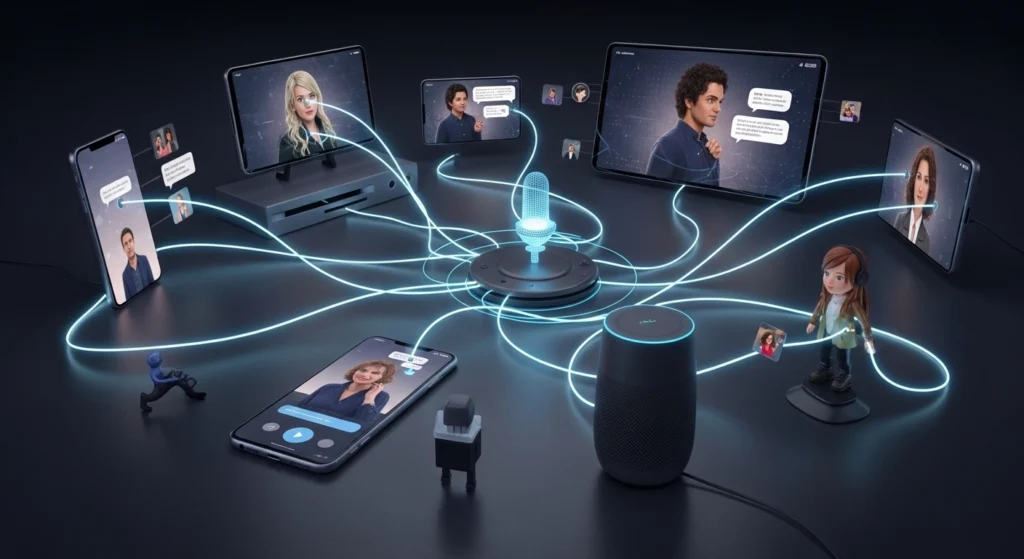
The trajectory seems clear. Within the next few years, we’ll likely see dynamic storytelling become standard rather than exceptional in interactive media.
Cross platform narratives stories that continue across games, apps, and even physical experiences are already emerging. Imagine starting a story on your phone during your commute, continuing it through a game at home, and receiving story elements through smart speakers.
Voice driven narratives are advancing rapidly. Having genuine conversations with story characters, rather than selecting from dialogue options, creates unprecedented immersion.
I’m also watching collaborative storytelling closely. Systems where multiple users contribute to shared narratives, with intelligent systems maintaining coherence and generating connecting elements, could transform social entertainment.
Final Thoughts
Dynamic storytelling represents more than technological advancement. It’s fundamentally changing our relationship with narrative itself. Stories are becoming conversations rather than monologues.
For creators, this means developing new skills thinking in systems rather than scripts, designing possibility spaces rather than fixed paths. For audiences, it means experiences that feel genuinely personal.
The technology will continue improving. The stories will become more sophisticated. But the fundamental human desire for meaningful narrative remains unchanged. We’re just finding better ways to deliver it.
Frequently Asked Questions
What exactly is dynamic storytelling?
Dynamic storytelling creates narratives that adapt and change based on user choices, behaviors, or contextual factors, providing personalized experiences rather than fixed linear stories.
Which industries use dynamic storytelling most?
Video games lead adoption, followed by interactive marketing, educational technology, and streaming entertainment platforms developing choose your own adventure content.
Does dynamic storytelling replace human writers?
No. Human writers create foundational narratives, character frameworks, and quality guidelines. Intelligent systems expand and adapt this human created foundation.
Can dynamic stories maintain quality across variations?
Quality consistency has improved significantly but remains challenging. Best implementations combine adaptive systems with human oversight and carefully designed constraints.
What skills do creators need for dynamic storytelling?
Writers benefit from understanding systems thinking, game design principles, and branching narrative structures alongside traditional storytelling fundamentals.
Is dynamic storytelling expensive to implement?
Currently yes, though costs are decreasing. Small scale implementations are increasingly accessible, while sophisticated systems still require substantial investment.