
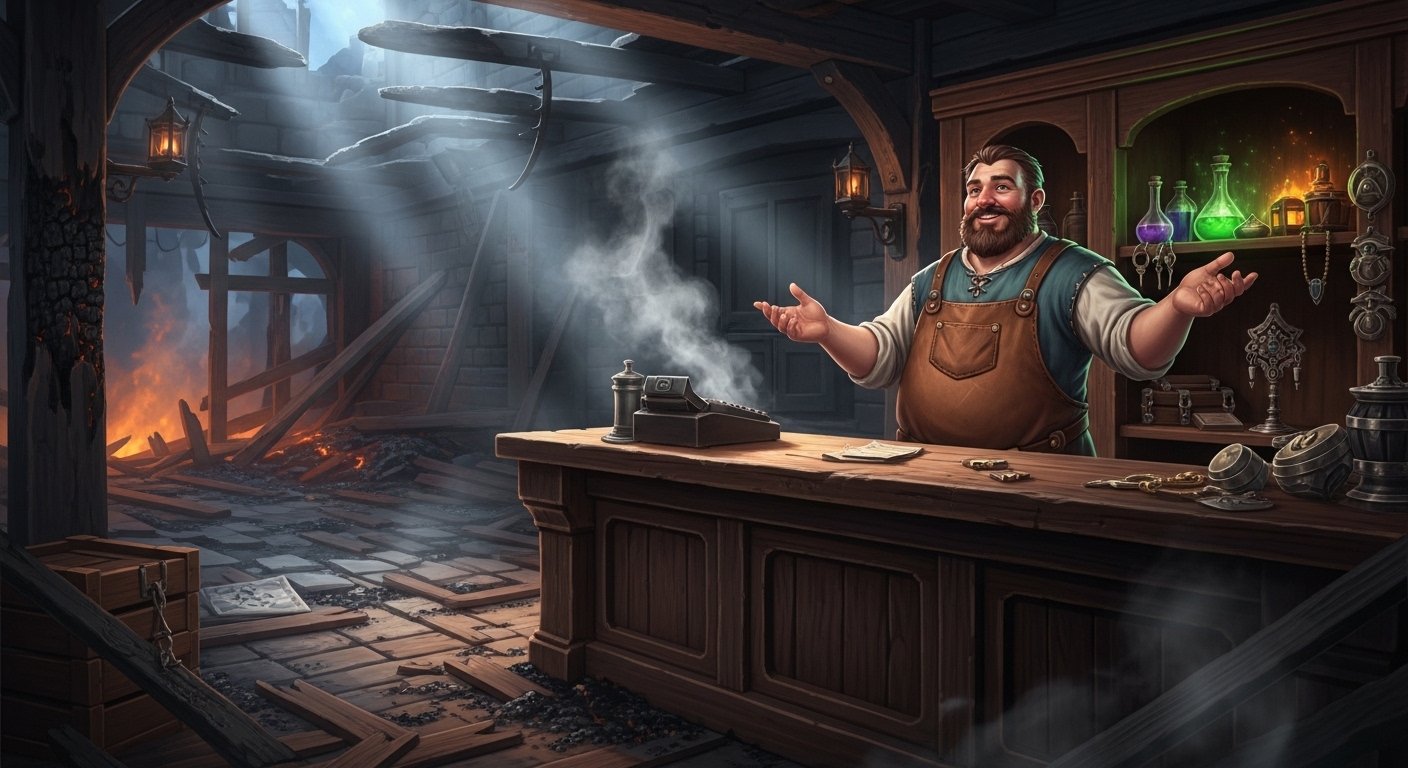
There’s a moment I’ll never forget from my early days working on narrative driven games. We had spent months crafting dialogue trees for a shopkeeper NPC, covering every possible interaction we could imagine. Then during playtesting, a player tried something nobody anticipated they kept returning to the shop after burning down the character’s home in an earlier mission. The shopkeeper greeted them cheerfully, completely oblivious. That disconnect shattered immersion instantly.
This kind of scenario is precisely why smart NPC AI systems have become one of the most exciting frontiers in game development. We’re moving beyond robotic characters who repeat the same three lines forever, toward digital beings that remember, react, and genuinely surprise us.
What Exactly Makes an NPC Smart?
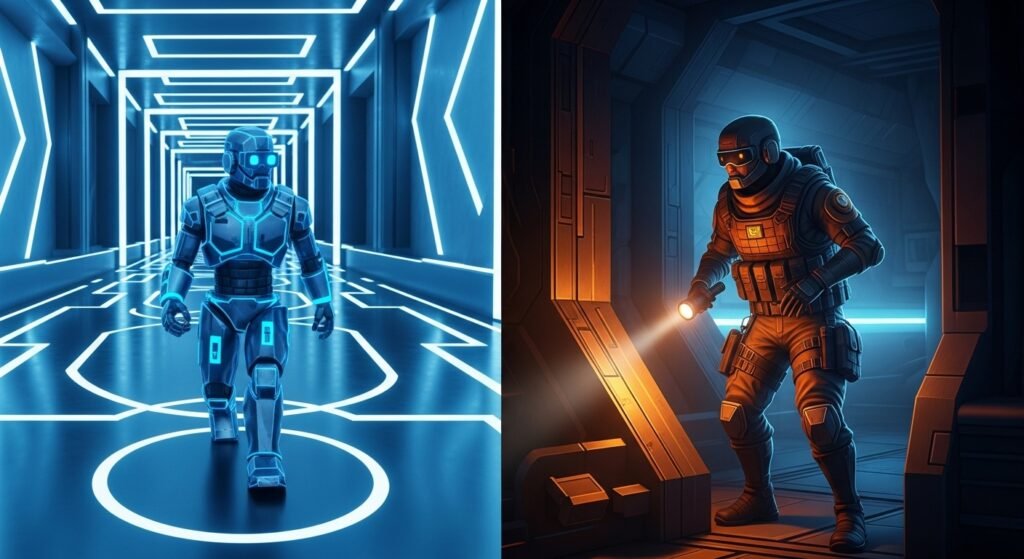
Traditional NPCs operate on predetermined scripts. They patrol fixed paths, deliver canned responses, and exist purely as background decoration or quest dispensers. Smart NPC AI systems fundamentally change this paradigm by introducing adaptive behaviors, contextual awareness, and dynamic decision-making capabilities.
Think about the difference between a guard who walks the same route endlessly versus one who investigates suspicious noises, remembers seeing you earlier near a crime scene, and alerts colleagues based on genuine threat assessment. That’s the gap between legacy systems and intelligent NPC design.
The core technologies powering these advances include behavior trees, utility based AI, and increasingly, machine learning models that allow characters to develop emergent behaviors designers never explicitly programmed.
Real World Examples That Showcase the Evolution
Red Dead Redemption 2 remains a benchmark for believable NPC ecosystems. Rockstar Games created characters with daily routines, dynamic relationships, and contextual dialogue that responds to your actions across the game world. Rob a stagecoach in one town, and NPCs in the next might mention hearing about the crime. It’s subtle but transformative.
The upcoming wave takes this further. Games utilizing large language models are experimenting with NPCs who generate unique conversations rather than pulling from preset options. Imagine asking a tavern keeper about local rumors and receiving genuinely novel information each time, crafted on the fly based on the current game state.
Middle earth: Shadow of Mordor’s Nemesis System deserves special mention too. Enemy NPCs remembered past encounters, developed grudges, gained scars from previous battles, and rose through ranks based on player interactions. Suddenly, every orc felt like a character with history rather than generic cannon fodder.
The Technical Backbone of Smart NPCs

Building intelligent non player characters requires layering multiple systems that work together seamlessly. Here’s what goes into modern smart NPC development:
Perception Systems: NPCs need sensory input detecting sounds, sight lines, environmental changes. Without realistic perception, decision-making lacks foundation.
Memory and State Tracking: Characters must remember interactions across play sessions. Did the player help them previously? Were they witnessed committing a crime? This historical data shapes future behavior.
Goal-Oriented Action Planning: Rather than following scripts, advanced NPCs pursue objectives dynamically. A merchant wants to make money, feel safe, and maintain reputation. Their actions emerge from balancing these competing goals.
Social Simulation: NPCs don’t exist in isolation. Relationship networks, faction standings, and social dynamics influence individual behavior. Insult a guild leader, and every member adjusts their disposition accordingly.
Natural Language Processing: The newest frontier involves NPCs understanding and generating natural speech, moving beyond keyword matching to genuine comprehension and response.
Why This Matters Beyond Entertainment
Smart NPC technology extends far past gaming. Training simulations for medical professionals, military personnel, and emergency responders benefit enormously from realistic virtual humans. Corporate training programs use intelligent characters for sales practice, conflict resolution exercises, and leadership development.
I’ve consulted on several educational applications where smart NPCs serve as historical figures students can interview, language practice partners who adapt to proficiency levels, and therapeutic companions for exposure therapy scenarios. The potential applications genuinely seem endless.
Current Limitations and Honest Challenges
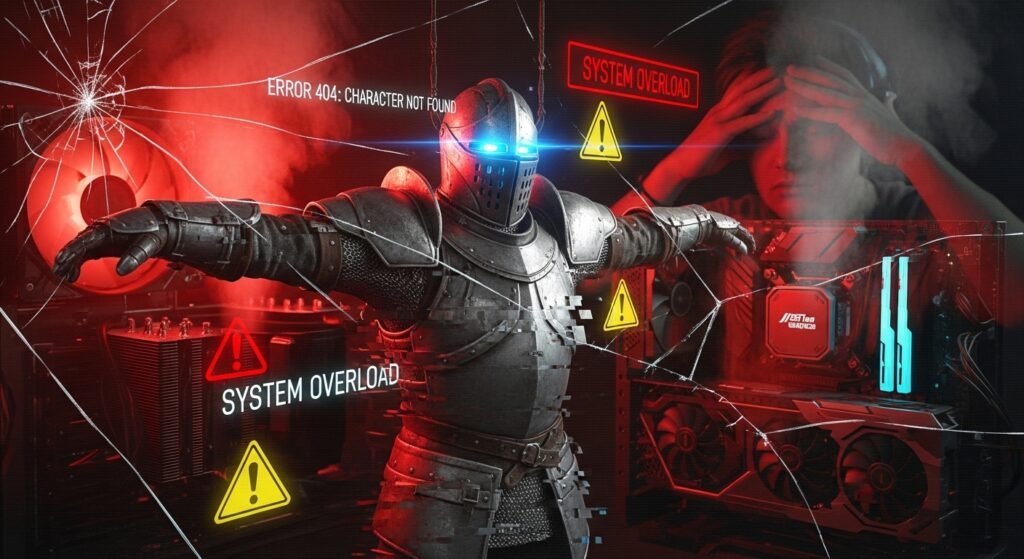
Let’s be realistic about where we stand. Truly intelligent NPCs remain computationally expensive. Running sophisticated AI for hundreds of simultaneous characters taxes even powerful hardware. Developers constantly balance ambition against performance constraints.
Consistency poses another challenge. Generative systems occasionally produce responses that contradict established lore or character personality. Maintaining coherence across extended interactions requires careful guardrails.
There’s also the “uncanny valley” problem applied to behavior. When NPCs act almost realistically but occasionally break immersion through odd responses, players sometimes find them more jarring than obviously artificial characters.
What’s Coming Next
The industry trajectory points toward increasingly autonomous NPCs who develop genuine emergent storylines. Procedural narrative systems combined with smart characters could generate infinite unique playthroughs based on how AI characters choose to interact with each other and players.
Cloud computing may eventually offload intensive NPC processing, enabling more sophisticated individual character AI without crushing local hardware. Streaming AI computations already show promise in prototype implementations.
Integration with player emotion detection through cameras or biometric sensors could allow NPCs to respond to your actual mood noticing frustration and offering assistance, or recognizing excitement and ramping up challenges.
Ethical Considerations Worth Discussing
Creating convincing artificial beings raises genuine questions. When NPCs become emotionally compelling, how do we handle players who form attachments or exhibit harmful behaviors toward virtual characters? These aren’t purely academic concerns they influence design decisions today.
Privacy considerations around AI that learns from player behavior also warrant attention. What data gets collected? How long is it retained? Who can access behavioral profiles?
The best developers I know engage with these questions proactively rather than waiting for problems to emerge.
Final Thoughts
Smart NPC AI systems represent gaming’s next evolutionary leap. After decades of obviously artificial characters, we’re approaching an era where virtual worlds feel genuinely alive. The shopkeeper remembers you burned down their home. The guard pieces together evidence to identify you as a suspect. Your companion develops genuine preferences based on shared adventures.
For those of us who’ve watched this technology mature over years, current capabilities feel like science fiction realized and we’re still just getting started.
Frequently Asked Questions
What are smart NPC AI systems?
Advanced artificial intelligence technologies enabling non-player characters to exhibit adaptive behaviors, contextual awareness, memory, and dynamic decision making beyond scripted interactions.
Which games have the best NPC AI currently?
Red Dead Redemption 2, The Elder Scrolls V: Skyrim with mods, Middle earth: Shadow of Mordor, and newer titles like Baldur’s Gate 3 showcase impressive NPC intelligence.
Do smart NPCs require powerful computers?
Generally yes sophisticated NPC AI increases computational demands significantly, though optimization techniques continue improving accessibility.
Can NPCs learn from player behavior?
Modern systems allow NPCs to adapt based on player patterns, remembering past interactions and adjusting responses accordingly.
Will NPCs eventually be indistinguishable from real players?
While significant progress continues, truly indistinguishable AI characters remain years away due to technical and creative challenges.
Are smart NPCs only useful for games?
No applications include professional training simulations, educational tools, therapeutic programs, and interactive entertainment beyond traditional gaming.